

Biopsy, Drainages & Trauma Interventions
Advanced Image-Guided Procedures for Accurate Diagnosis & Minimally Invasive Treatment
At our Interventional Radiology department, we offer a wide range of image-guided procedures that provide precise diagnosis and effective treatment without the need for major surgery. Using advanced imaging technologies such as Ultrasound, CT Scan, and Fluoroscopy, our specialists perform minimally invasive procedures with greater accuracy, reduced pain, faster recovery, and minimal hospital stay.
Whether you require a tissue biopsy for diagnosis, drainage of an infected fluid collection, or emergency treatment for traumatic injuries, our expert team delivers personalized care with the highest standards of safety and precision.
Biopsy
What is a Biopsy?
A biopsy is a minimally invasive procedure in which a small sample of tissue is collected from an abnormal area in the body for laboratory examination. It helps doctors accurately diagnose cancer, infections, inflammation, and various other medical conditions.
Unlike traditional surgical biopsies, image-guided biopsies require only a tiny skin puncture and are performed using real-time imaging guidance for maximum precision.
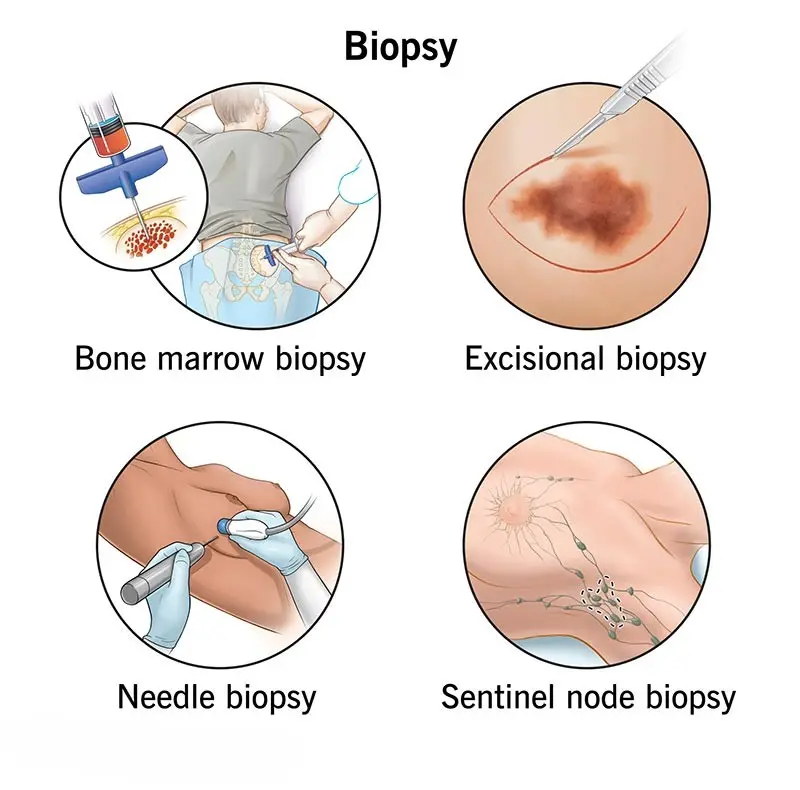
Conditions That May Require a Biopsy
- Suspicious lumps or masses
- Liver lesions
- Lung nodules
- Kidney masses
- Lymph node enlargement
- Bone lesions
- Soft tissue tumors
- Suspected cancers
- Unexplained infections
Types of Image-Guided Biopsy
- Ultrasound-Guided Biopsy
- CT-Guided Biopsy
- Fine Needle Aspiration (FNA)
- Core Needle Biopsy
Benefits
- Highly accurate diagnosis
- Minimally invasive
- Quick recovery
- Minimal pain
Drainage Procedures
What is an Image-Guided Drainage?
Drainage procedures are performed to remove infected fluid, pus, blood, bile, or other abnormal collections from the body using image guidance. Instead of major surgery, a thin catheter is inserted through a tiny skin puncture directly into the affected area.
This procedure helps relieve pain, control infection, and promote faster healing.
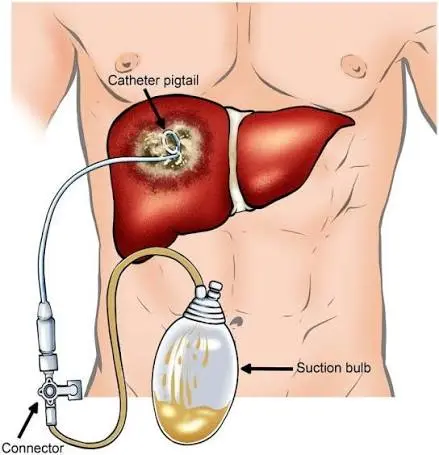
Conditions Treated
- Liver abscess
- Abdominal abscess
- Pelvic abscess
- Kidney abscess
- Pleural effusion
- Empyema
- Pancreatic fluid collections
- Post-operative collections
- Bile leaks
- Infected cysts
Types of Drainage Procedures
- Abscess Drainage
- Pleural Drainage
- Percutaneous Biliary Drainage
- Nephrostomy Drainage
- Pelvic Collection Drainage
- Pancreatic Collection Drainage
Benefits
- Avoids major surgery
- Rapid symptom relief
- Faster recovery
- Reduced risk of complications
- Image-guided precision
- Effective infection control
Trauma Interventions
What are Trauma Interventions?
Trauma interventions are life-saving minimally invasive procedures performed in patients with internal bleeding or traumatic injuries. Using advanced angiography and imaging guidance, Interventional Radiologists identify the exact source of bleeding and stop it without open surgery.
These procedures are especially valuable in emergency situations where rapid bleeding control can save lives.

Conditions Treated
- Road traffic accident injuries
- Internal bleeding
- Pelvic trauma
- Liver injuries
- Splenic injuries
- Kidney trauma
- Post-surgical bleeding
- Gastrointestinal bleeding
- Vascular injuries
- Traumatic hemorrhage
Common Trauma Procedures
- Emergency Angiography
- Embolization for Bleeding Control
- Vascular Repair
- Pseudoaneurysm Embolization
- Organ-Preserving Interventions
Benefits
- Controls bleeding quickly
- Minimally invasive treatment
- Reduced blood loss
- Lower complication rates
- Faster recovery
Why Choose Image-Guided Interventional Procedures?
Our Interventional Radiology team combines advanced imaging technology with minimally invasive techniques to deliver safe, precise, and effective treatments.
Our Advantages
- Experienced Interventional Radiologist
- State-of-the-art imaging equipment
- High diagnostic accuracy
- Personalized treatment plans
- Minimally invasive procedures
- Faster recovery
- Less pain and scarring
- Lower risk of complications
- Short hospital stay
- Comprehensive patient care
FREQUENTLY ASKED QUESTIONS
Most biopsies are performed under local anesthesia. Patients usually experience minimal discomfort during the procedure.
Most image-guided biopsies are completed within 20 to 45 minutes.
Yes. Image-guided drainage procedures are considered very safe and have a high success rate when performed by experienced specialists.
In many cases, image-guided drainage eliminates the need for open surgery.
Embolization is a minimally invasive procedure used to stop internal bleeding by blocking the bleeding blood vessel using specialized materials.
Recovery depends on the procedure performed, but many patients resume normal daily activities within a few days.