

PTBD, Cholecystostomy & Hydatid Cyst Therapy
Advanced Image-Guided Treatments for Biliary Disorders, Gallbladder Infections & Hydatid Cysts
Interventional Radiology offers minimally invasive, image-guided procedures to treat complex liver, gallbladder, and biliary conditions without the need for major surgery. Procedures such as Percutaneous Transhepatic Biliary Drainage (PTBD), Percutaneous Cholecystostomy, and Hydatid Cyst Therapy provide effective relief from infections, blockages, and cystic diseases while ensuring faster recovery and reduced complications. Performed under ultrasound and fluoroscopic or CT guidance, these procedures offer precise treatment with minimal discomfort and shorter hospital stays.
Percutaneous Transhepatic Biliary Drainage (PTBD)
What is PTBD?
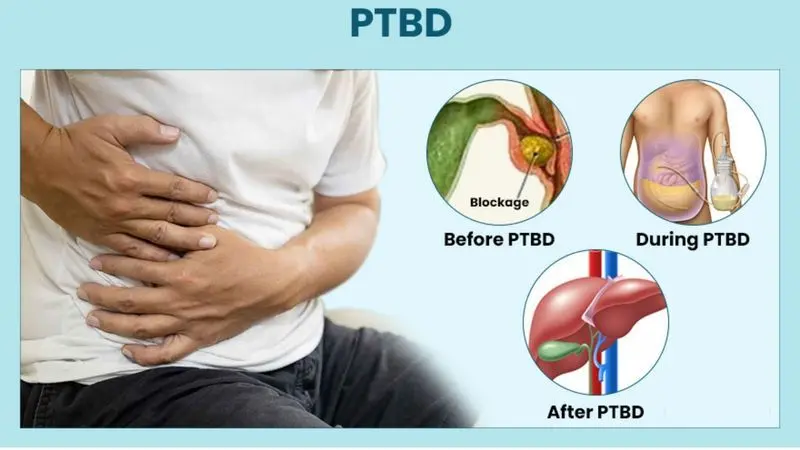
Percutaneous Transhepatic Biliary Drainage (PTBD) is a minimally invasive procedure used to relieve blockage in the bile ducts. When bile cannot flow normally from the liver to the intestine, it can lead to jaundice, infection, severe itching, abdominal pain, and liver damage.
During PTBD, a thin catheter is inserted through the skin into the liver under imaging guidance to drain the blocked bile and restore normal bile flow.
Conditions Treated with PTBD
- Obstructive jaundice
- Bile duct cancer
- Pancreatic cancer causing bile duct obstruction
- Gallbladder cancer
- Benign biliary strictures
- Post-surgical bile duct injury
- Biliary infections (Cholangitis)
- Liver transplant-related biliary complications
Benefits of PTBD
- Relieves jaundice and itching
- Improves liver function
- Treats biliary infections
- Minimally invasive alternative to surgery
- Reduces pain and discomfort
- Shorter hospital stay
- Faster recovery
- Can serve as a bridge before surgery or other treatments
Percutaneous Cholecystostomy
What is a Cholecystostomy?
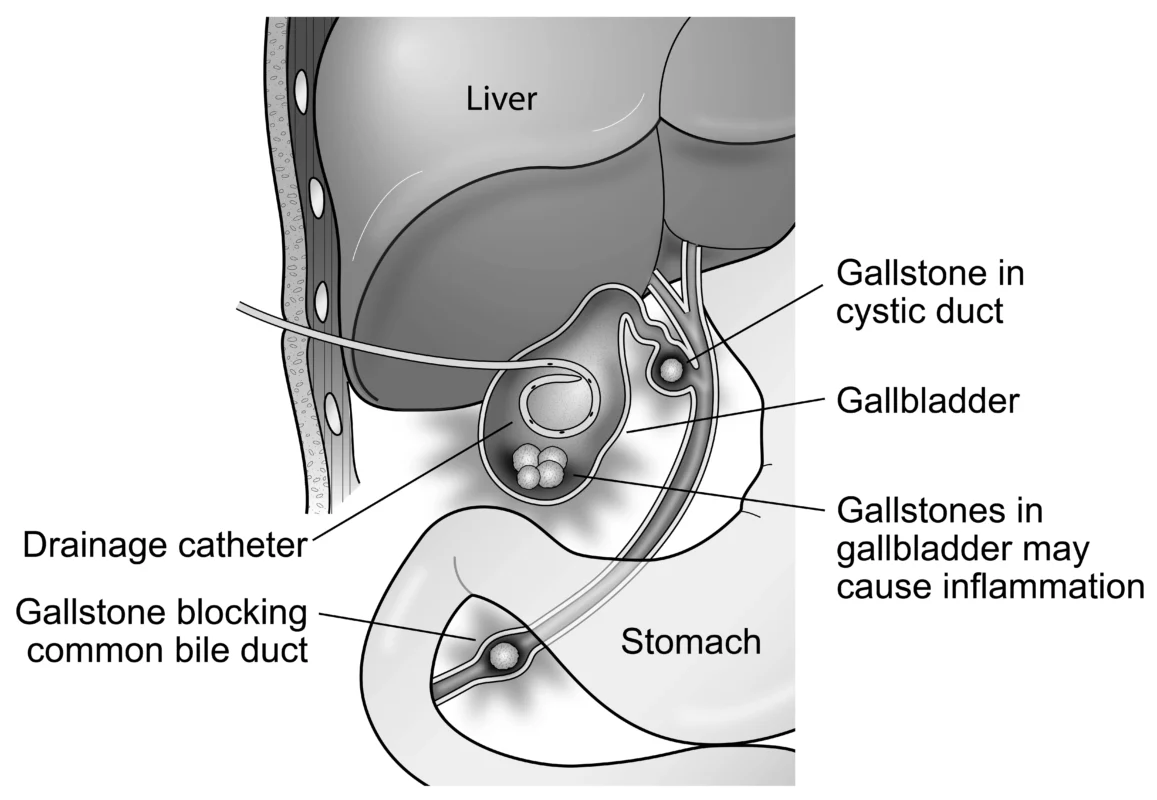
Percutaneous Cholecystostomy is a minimally invasive procedure performed to drain an infected or inflamed gallbladder when immediate surgery is not possible or is considered high risk.
Using ultrasound or CT guidance, a small drainage catheter is placed into the gallbladder through the skin to remove infected bile and reduce inflammation.
This procedure is especially beneficial for elderly patients or those with serious medical conditions who may not be suitable candidates for emergency gallbladder surgery.
Conditions Treated
- Acute cholecystitis
- Gallbladder infection
- Gallbladder empyema
- Gallbladder obstruction
- Critically ill patients with gallbladder disease
- High-risk surgical patients
Benefits
- Rapid relief from pain and infection
- Minimally invasive
- Safe for high-risk patients
- Faster recovery
- Reduced hospital stay
- Image-guided precision
Hydatid Cyst Therapy
What is Hydatid Cyst Therapy?
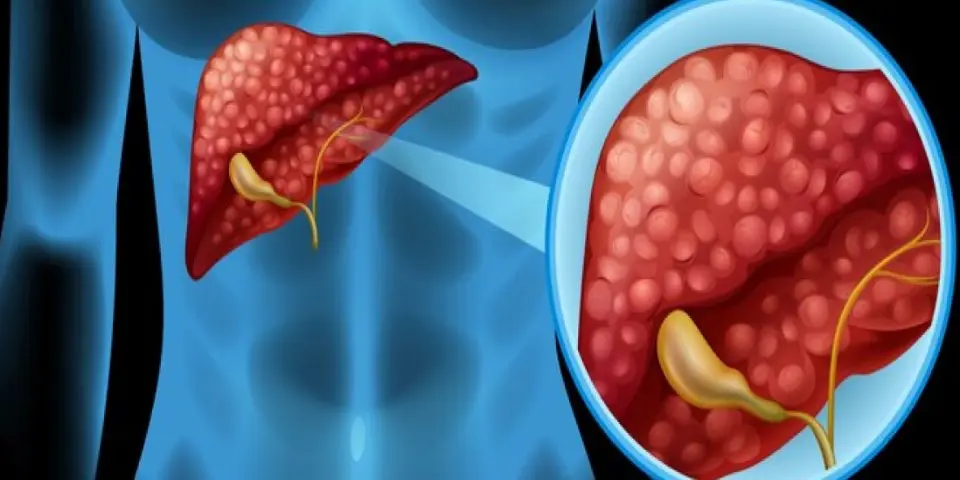
Hydatid disease is caused by a parasitic infection that forms fluid-filled cysts, most commonly in the liver and lungs. Image-guided Hydatid Cyst Therapy is a minimally invasive treatment that safely drains and treats these cysts without the need for open surgery in selected patients.
During the procedure, the cyst is punctured under imaging guidance, its contents are aspirated, a scolicidal (anti-parasitic) agent is introduced to destroy the parasite, and the cavity is drained. This technique is commonly known as the PAIR procedure (Puncture, Aspiration, Injection, and Re-aspiration).
Conditions Treated
- Liver hydatid cysts
- Recurrent hydatid cysts
- Symptomatic hydatid cysts
- Large hydatid cysts suitable for percutaneous treatment
Benefits
- Minimally invasive treatment
- Smaller skin puncture
- Less pain, Faster recovery
- Lower risk of complications
How Are These Procedures Performed?
All procedures are performed in a specialized Interventional Radiology suite using advanced imaging guidance.
Procedure Overview
- Local anesthesia is administered.
- A tiny skin puncture is made.
- Ultrasound, CT, or fluoroscopy is used to guide a thin needle or catheter to the target area.
- Depending on the condition:
- PTBD drains blocked bile ducts.
- Cholecystostomy drains the infected gallbladder.
- Hydatid Cyst Therapy drains and treats the cyst using specialized techniques.
- The catheter may remain temporarily until the condition improves.
Most patients recover quickly and can return to normal activities within a few days, depending on their medical condition.
Why Choose Our Interventional Radiology Services?
Our Interventional Radiology team specializes in advanced, minimally invasive procedures for complex hepatobiliary diseases, providing personalized treatment with exceptional precision and safety.
Our Advantages
- Experienced Interventional Radiologist
- Advanced ultrasound, CT, and fluoroscopy guidance
- High procedural success rates
- Minimally invasive treatment
- Faster recovery
- Less pain and scarring
- Reduced hospital stay
- Lower risk of complications
- Personalized patient care
- Comprehensive follow-up support
FREQUENTLY ASKED QUESTIONS
PTBD is performed to relieve bile duct blockages, reduce jaundice, treat infections, and restore normal bile drainage.
Not always. PTBD may be temporary or long-term depending on the cause of the bile duct obstruction and the patient's treatment plan.
It is usually recommended for patients with severe gallbladder infection who are not fit for immediate surgery due to age or other medical conditions.
Yes. When performed in appropriately selected patients by experienced Interventional Radiologists, image-guided Hydatid Cyst Therapy is a safe and effective alternative to surgery.
Most of these procedures are performed under local anesthesia with mild sedation. General anesthesia is required only in selected cases.
Most patients experience rapid recovery and are discharged within one to three days, depending on the procedure and their overall health.