

Gastrostomy & GI Bleed Embolization
Advanced Image-Guided Treatments for Nutritional Support & Gastrointestinal Bleeding
Interventional Radiology offers minimally invasive, image-guided procedures to manage complex gastrointestinal conditions. Percutaneous Gastrostomy provides long-term nutritional support for patients who cannot eat normally, while Gastrointestinal (GI) Bleed Embolization is a life-saving procedure used to control severe internal bleeding without the need for major surgery.
Performed using advanced imaging techniques such as fluoroscopy, ultrasound, and angiography, these procedures offer precise treatment with faster recovery, minimal discomfort, and reduced hospital stays.
Percutaneous Gastrostomy
What is a Gastrostomy?
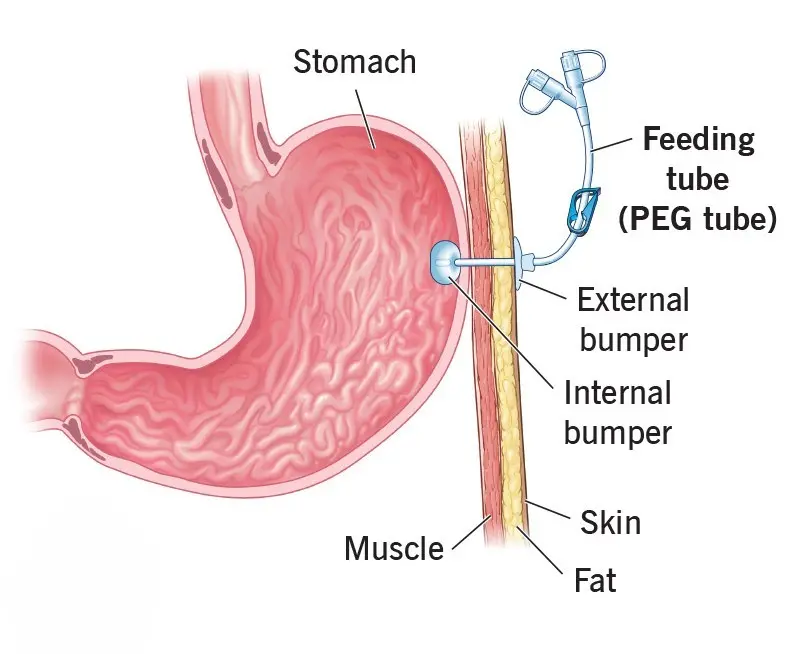
A Percutaneous Gastrostomy is a minimally invasive procedure in which a feeding tube is placed directly into the stomach through the abdominal wall. This allows patients who are unable to swallow safely to receive adequate nutrition, fluids, and medications.
The procedure is performed under image guidance without the need for open surgery and is commonly recommended for patients requiring long-term enteral feeding.
Conditions That May Require a Gastrostomy
- Stroke affecting swallowing
- Head and neck cancers
- Esophageal cancer
- Neurological disorders
- Motor neuron disease (ALS)
- Severe swallowing difficulty (Dysphagia)
- Long-term nutritional support
- Patients undergoing prolonged cancer treatment
Benefits of Gastrostomy
- Safe and reliable long-term feeding access
- Minimally invasive procedure
- Avoids repeated nasogastric tube placement
- Improves nutritional status
- Enhances patient comfort
- Short hospital stay
- Faster recovery
- Better quality of life
Percutaneous Gastrostomy
What is GI Bleed Embolization?
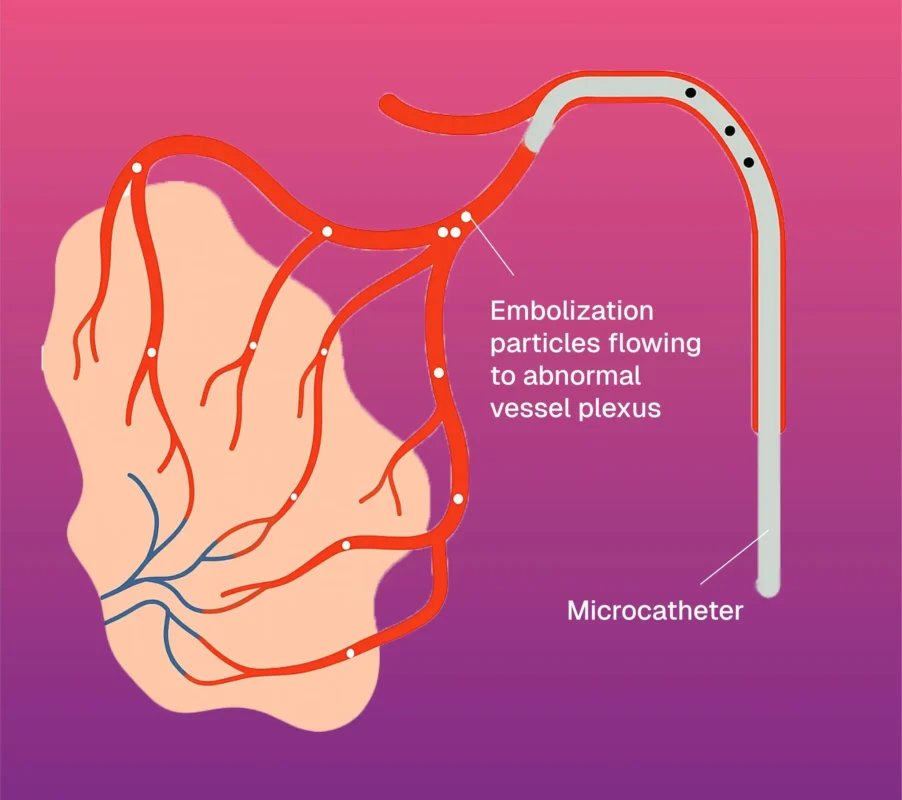
GI Bleed Embolization is a minimally invasive, image-guided procedure used to control active bleeding within the gastrointestinal tract. Using angiography, the Interventional Radiologist identifies the exact source of bleeding and blocks the bleeding blood vessel using tiny coils, particles, or other embolic agents.
This targeted treatment helps stop bleeding while preserving healthy surrounding tissues and often eliminates the need for emergency surgery.
Conditions Treated
- Upper gastrointestinal bleeding
- Lower gastrointestinal bleeding
- Bleeding stomach ulcers
- Intestinal bleeding
- Diverticular bleeding
- Tumor-related gastrointestinal bleeding
- Post-operative gastrointestinal bleeding
- Vascular malformations (Angiodysplasia)
Benefits of GI Bleed Embolization
- Rapid control of bleeding
- Minimally invasive treatment
- Avoids emergency surgery in many cases
- Preserves healthy bowel tissue
- High success rate
- Reduced blood loss
- Shorter hospital stay
- Faster recovery
How Are These Procedures Performed?
Both procedures are carried out in a specialized Interventional Radiology suite using advanced imaging guidance.
Procedure Overview
For Gastrostomy:
- Local anesthesia and mild sedation are administered.
- A small skin incision is made in the abdomen.
- Under fluoroscopic or ultrasound guidance, a feeding tube is placed directly into the stomach.
- The tube position is confirmed before use.
For GI Bleed Embolization:
- A small catheter is inserted through an artery in the wrist or groin.
- Using angiography, the bleeding vessel is identified.
- Tiny embolic materials are delivered through the catheter to stop the bleeding.
- Blood flow to healthy tissues is preserved while controlling the hemorrhage.
Most procedures are completed within 30 to 90 minutes, and recovery depends on the patient’s overall condition.
Why Choose Image-Guided Gastrointestinal Interventions?
Our Interventional Radiology team provides advanced minimally invasive gastrointestinal procedures using state-of-the-art technology to ensure safe, accurate, and effective treatment.
Our Advantages
- Experienced Interventional Radiologist
- Advanced angiography and fluoroscopy systems
- High procedural success rates
- Minimally invasive techniques
- Reduced pain and discomfort
- Lower risk of complications
- Faster recovery
- Personalized patient care
- Comprehensive follow-up support
FREQUENTLY ASKED QUESTIONS
A gastrostomy tube is recommended for patients who cannot swallow safely but have a functioning digestive system and require long-term nutritional support.
No. It is a minimally invasive image-guided procedure performed through a small skin incision without the need for open surgery.
GI Bleed Embolization is used to stop active bleeding in the stomach or intestines by blocking the bleeding blood vessel using image-guided techniques.
Yes. It is a well-established, highly effective procedure performed by experienced Interventional Radiologists and is often preferred over emergency surgery when appropriate.
Most Gastrostomy and GI Bleed Embolization procedures take between 30 and 90 minutes, depending on the complexity of the condition.
Recovery varies depending on the underlying illness, but many patients recover quickly and experience significant symptom improvement within a few days.