

Thrombectomy, Stenting & Varicose Vein Treatment
Advanced Minimally Invasive Vascular Treatments for Blocked Blood Vessels & Venous Disorders
Interventional Radiology offers advanced, image-guided procedures to restore blood flow, treat narrowed or blocked blood vessels, and manage varicose veins without the need for major surgery. Thrombectomy, Vascular Stenting, and Varicose Vein Treatment are minimally invasive procedures performed using catheters and real-time imaging to provide effective treatment with minimal pain, faster recovery, and excellent long-term outcomes.
Whether caused by blood clots, arterial narrowing, or damaged veins, these conditions can significantly affect circulation and quality of life. Our expert team provides personalized treatment using the latest endovascular techniques.
Thrombectomy
What is Thrombectomy?
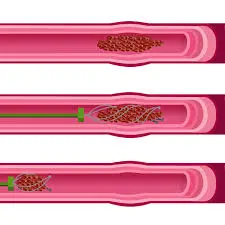
Thrombectomy is a minimally invasive procedure used to remove blood clots from arteries or veins and restore normal blood flow. Using a catheter inserted through a small puncture in the skin, specialized devices are guided to the site of the clot, where it is removed or broken down.
This procedure is particularly valuable in emergency situations, helping to prevent permanent tissue damage and preserve organ or limb function.
Conditions Treated
- Acute arterial thrombosis
- Deep Vein Thrombosis (DVT)
- Acute limb ischemia
- Dialysis access thrombosis
- Peripheral arterial occlusion
- Selected cases of pulmonary embolism
- Venous thrombosis
Benefits of Thrombectomy
- Rapid restoration of blood flow
- Minimally invasive treatment
- Helps preserve limbs and organs
- Reduces pain and swelling
- Lower risk of long-term complications
- Shorter hospital stay
- Faster recovery than open surgery
Vascular Stenting
What is Vascular Stenting?
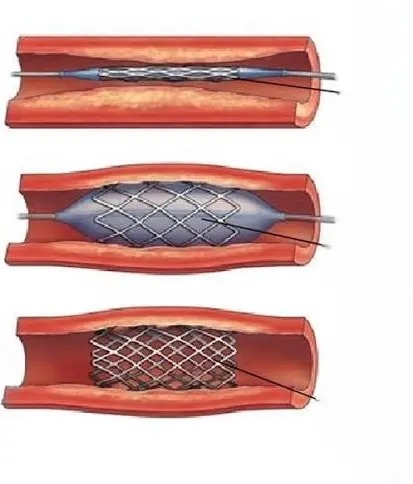
Vascular stenting is a minimally invasive procedure used to open narrowed or blocked arteries or veins. A small expandable metal mesh tube called a stent is placed inside the affected blood vessel to restore circulation and keep the vessel open.
Stenting is commonly performed after angioplasty and helps improve blood flow to vital organs and limbs.
Conditions Treated
- Peripheral Artery Disease (PAD)
- Carotid artery narrowing
- Renal artery stenosis
- Central venous stenosis
- Dialysis access stenosis
- Venous obstruction
- Narrowed blood vessels following thrombectomy
Benefits of Stenting
- Restores healthy blood circulation
- Minimally invasive alternative to surgery
- Immediate symptom relief
- Preserves affected organs and limbs
- Faster recovery
- Reduced hospital stay
- Durable long-term results
Varicose Vein Treatment
What are Varicose Veins?
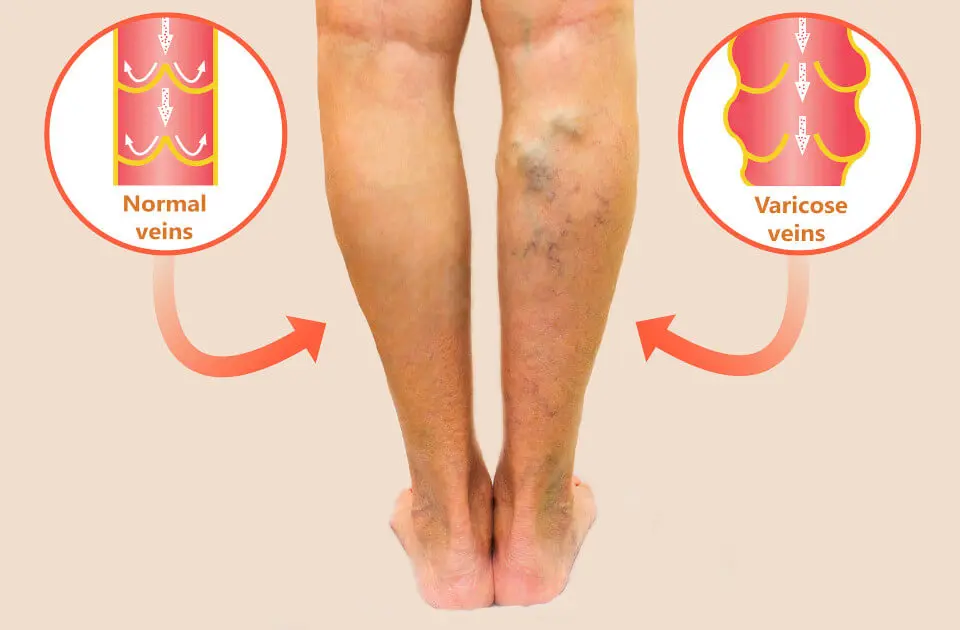
Varicose veins are enlarged, twisted veins caused by weakened vein walls and faulty valves, most commonly affecting the legs. They may cause pain, heaviness, swelling, itching, skin discoloration, and, if left untreated, may lead to ulcers or blood clots.
Interventional Radiology offers minimally invasive treatments that close the damaged veins while redirecting blood flow through healthy veins, providing lasting relief with excellent cosmetic results.
Symptoms of Varicose Veins
- Visible enlarged veins
- Leg pain or aching
- Heaviness in the legs
- Swelling of the ankles or legs
- Night cramps
- Itching around the veins
- Skin discoloration
- Venous ulcers
Benefits of Minimally Invasive Varicose Vein Treatment
- No major surgery
- No stitches in most cases
- Minimal pain
- Quick outpatient procedure
- Faster recovery
- Excellent cosmetic results
- Early return to work and daily activities
How Are These Procedures Performed?
All procedures are carried out in a dedicated Interventional Radiology suite using ultrasound, fluoroscopy, and angiography guidance.
Procedure Overview
- Local anesthesia is administered.
- A tiny puncture is made in the skin.
- A thin catheter is guided to the affected blood vessel using real-time imaging.
- Depending on the condition:
- Blood clots are removed during thrombectomy.
- A stent is placed to restore blood flow.
- Laser, radiofrequency, medical adhesive, or sclerotherapy is used to close abnormal varicose veins.
- Patients are observed briefly before discharge.
Most procedures are completed within 30 to 90 minutes, and many patients can return home the same day.
Why Choose Our Interventional Radiology Services?
Our experienced Interventional Radiology team provides comprehensive vascular care using advanced minimally invasive techniques to achieve excellent clinical outcomes with maximum patient comfort.
Our Advantages
- Experienced Interventional Radiologist
- Advanced angiography and vascular imaging technology
- Personalized treatment plans
- High procedural success rates
- Minimally invasive techniques
- Faster recovery
- Less pain and scarring
- Lower risk of complications
- Day-care procedures for many treatments
- Comprehensive follow-up care
FREQUENTLY ASKED QUESTIONS
Thrombectomy physically removes a blood clot using specialized devices, whereas thrombolysis uses clot-dissolving medications. In some cases, both treatments may be combined.
A stent is designed to remain inside the blood vessel permanently. Regular follow-up helps ensure it continues to function effectively.
Most minimally invasive varicose vein treatments are performed under local anesthesia and involve minimal discomfort. Patients typically resume normal activities within a few days.
Modern treatments provide excellent long-term results, but new varicose veins can develop over time. Maintaining a healthy weight, staying active, and following your doctor's advice can reduce the risk of recurrence.
Most thrombectomy, stenting, and varicose vein procedures are completed within 30 to 90 minutes, depending on the complexity of the condition.
Patients with blocked blood vessels, blood clots, narrowed arteries or veins, or symptomatic varicose veins may benefit from these minimally invasive procedures. A detailed clinical assessment and imaging evaluation will determine the most appropriate treatment.