

Uterine Artery Embolization (UAE)
A Minimally Invasive Treatment for Uterine Fibroids
Uterine Artery Embolization (UAE), also known as Uterine Fibroid Embolization (UFE), is an advanced, minimally invasive procedure performed by an Interventional Radiologist to treat symptomatic uterine fibroids without the need for major surgery or removal of the uterus.
Using image-guided techniques, tiny embolic particles are injected into the arteries supplying the fibroids, reducing their blood supply. Over time, the fibroids shrink, relieving symptoms while preserving the uterus.
UAE is a safe and effective alternative to hysterectomy or myomectomy for many women and allows for a faster recovery with minimal discomfort.
What is Uterine Artery Embolization?
Uterine Artery Embolization is a non-surgical procedure that blocks the blood vessels supplying uterine fibroids. Without an adequate blood supply, the fibroids gradually shrink, and symptoms improve significantly over the following weeks and months.
The procedure is performed through a tiny puncture in the wrist or groin using advanced angiography guidance, eliminating the need for large incisions.
What are Uterine Fibroids?
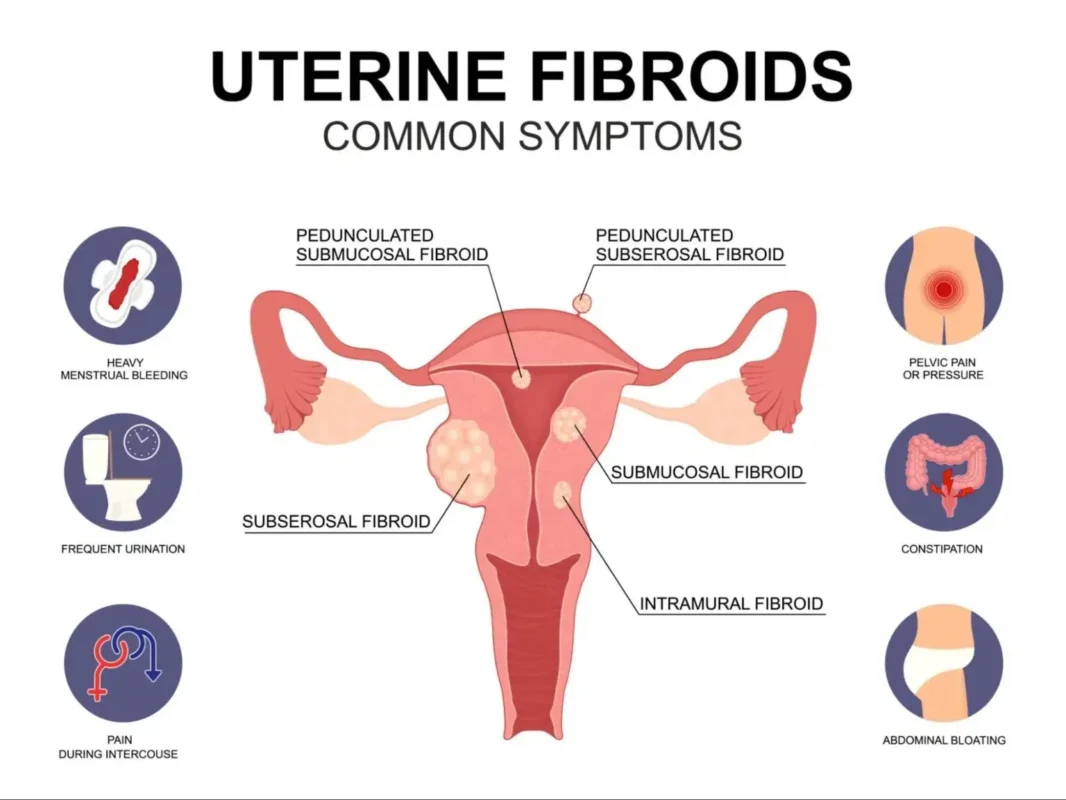
Uterine fibroids are non-cancerous (benign) growths that develop within or on the uterus. They are common in women of reproductive age and may vary in size and number.
While many fibroids do not cause symptoms, larger or multiple fibroids can lead to heavy menstrual bleeding, pelvic pain, pressure symptoms, and fertility-related concerns.
Symptoms of Uterine Fibroids
Women with symptomatic fibroids may experience:
- Heavy or prolonged menstrual bleeding
- Pelvic pain or pressure
- Painful menstrual cramps
- Frequent urination
- Constipation
- Lower back pain
- Pain during intercourse
- Abdominal swelling or fullness
- Anemia due to excessive bleeding
- Difficulty with daily activities because of fibroid symptoms
Who is a Candidate for UAE?
Uterine Artery Embolization may be recommended for women who:
- Have symptomatic uterine fibroids
- Experience heavy menstrual bleeding
- Have pelvic pain or pressure due to fibroids
- Wish to avoid major surgery
- Prefer to preserve their uterus
- Have multiple fibroids
- Are not suitable candidates for surgery due to other medical conditions
- Experience recurrent fibroids after previous treatment
A detailed clinical evaluation and imaging studies will help determine whether UAE is the most appropriate treatment option.
Benefits of Uterine Artery Embolization
- Minimally invasive treatment
- No removal of the uterus
- No large surgical incision
- Significant reduction in heavy bleeding
- Relief from pelvic pain and pressure
- Shrinks multiple fibroids simultaneously
- Short hospital stay
- Faster recovery than surgery
- Minimal blood loss
- Reduced risk of surgical complications
- Quick return to normal activities
How is UAE Performed?
The procedure is carried out in a specialized angiography suite by an experienced Interventional Radiologist.
Procedure Overview
- Local anesthesia and mild sedation are administered.
- A tiny puncture is made in the wrist or groin.
- A thin catheter is guided into the uterine arteries using real-time X-ray imaging.
- Tiny embolic particles are injected to block the blood supply to the fibroids.
- Blood flow to the normal uterus is preserved while the fibroids gradually shrink.
- The catheter is removed, and the puncture site is closed.
The procedure usually takes 60 to 90 minutes, and most patients are discharged within 24 hours.
Recovery After UAE
Most women experience mild pelvic pain or cramping for a few days after the procedure, which can be managed with medications. Many patients return to light daily activities within one week, significantly sooner than after traditional surgery. Fibroids continue to shrink over the following months, with gradual improvement in symptoms.
Why Choose Uterine Artery Embolization?
Our Interventional Radiology team provides advanced, image-guided fibroid treatment using state-of-the-art angiography technology to deliver safe, effective, and personalized care.
Our Advantages
- Experienced Interventional Radiologist
- Advanced angiography technology
- Minimally invasive procedure
- Uterus-preserving treatment
- High success rates
- Faster recovery
- Less pain and blood loss
- Short hospital stay
- Personalized treatment planning
- Comprehensive follow-up care
FREQUENTLY ASKED QUESTIONS
No. UAE is a minimally invasive image-guided procedure performed through a small puncture in the wrist or groin without large surgical incisions.
Fibroids usually shrink significantly after UAE. While they may not disappear completely, most women experience substantial relief from symptoms.
The procedure itself is performed under local anesthesia with sedation. Mild cramping or pelvic discomfort after the procedure is common and is usually well controlled with medication.
Most women resume normal daily activities within 7 to 10 days, which is generally much faster than recovery after hysterectomy or myomectomy.
Yes. One of the major advantages of UAE is that it can treat multiple fibroids during a single procedure.
Not always. The suitability of UAE depends on the size, number, location of the fibroids, the patient's symptoms, reproductive goals, and overall health. Your Interventional Radiologist and gynecologist will recommend the most appropriate treatment.