

PICC, Hickman, Chemo Port & Dialysis Catheter Placement
Advanced Image-Guided Vascular Access Procedures for Safe & Long-Term Treatment
Reliable vascular access is essential for administering medications, chemotherapy, dialysis, nutrition, and long-term intravenous therapies. At our Interventional Radiology department, we provide advanced image-guided placement of PICC Lines, Hickman Catheters, Chemo Ports, and Dialysis Catheters using ultrasound and fluoroscopic guidance.
These minimally invasive procedures ensure accurate catheter placement, reduce complications, and provide comfortable, long-term vascular access while avoiding repeated needle pricks.
Peripherally Inserted Central Catheter (PICC Line)
What is a PICC Line?
A Peripherally Inserted Central Catheter (PICC Line) is a long, flexible tube inserted through a vein in the upper arm and advanced into a large central vein near the heart. It provides reliable long-term intravenous access for medications, fluids, blood products, and nutritional support.
PICC lines are commonly used for treatments lasting several weeks or months.
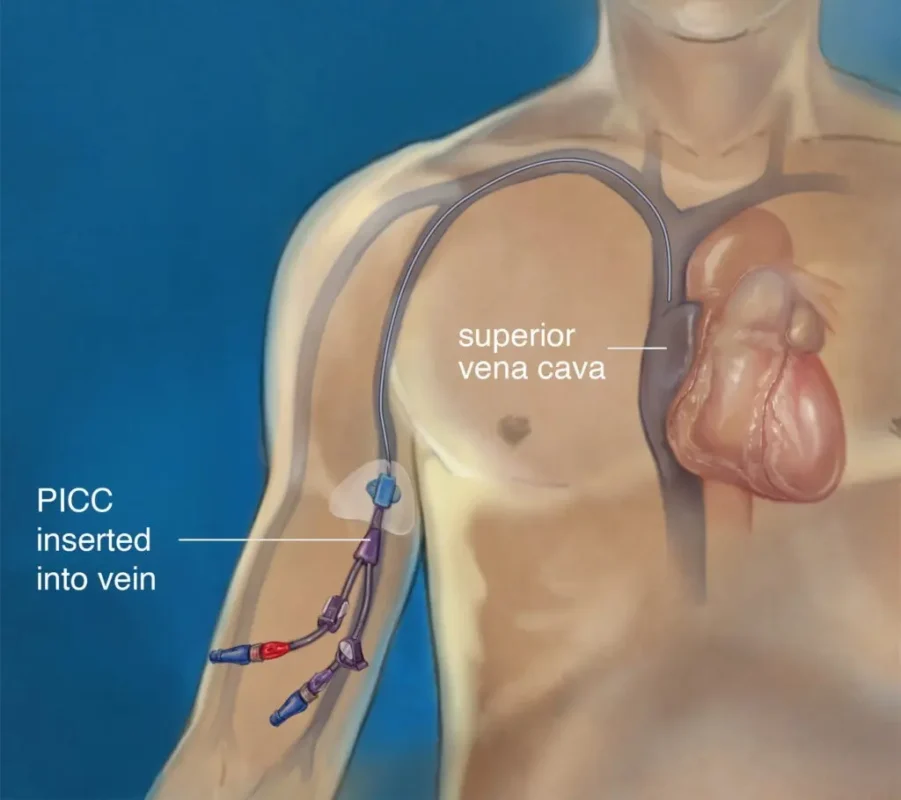
Conditions That May Require a PICC Line
- Long-term intravenous antibiotics
- Chemotherapy
- Total Parenteral Nutrition (TPN)
- Frequent blood sampling
- Long-term intravenous medications
- Patients with difficult venous access
Benefits of a PICC Line
- Avoids repeated needle pricks
- Safe long-term venous access
- Image-guided accurate placement
- Minimally invasive procedure
- Lower complication rates
- Comfortable for prolonged treatment
Hickman Catheter
What is a Hickman Catheter?
A Hickman catheter is a tunneled central venous catheter designed for patients who require long-term intravenous therapy. The catheter is placed into a large central vein through a small incision and tunneled beneath the skin to reduce the risk of infection.
It is commonly used for chemotherapy, stem cell transplantation, prolonged antibiotic therapy, and frequent blood sampling.
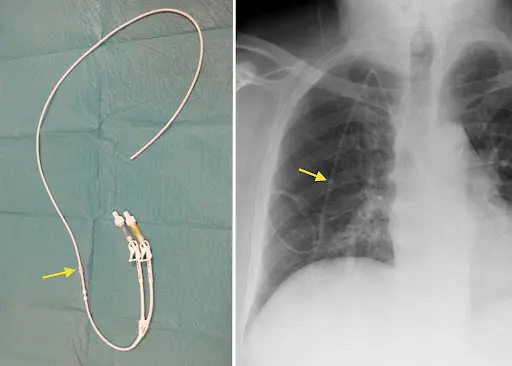
Common Indications
- Cancer treatment
- Bone marrow or stem cell transplantation
- Long-term intravenous medications
- Blood transfusions
- Frequent blood investigations
- Long-term nutritional support
Benefits
- Long-term vascular access
- Reduced infection risk due to tunneled placement
- Multiple treatment sessions through one catheter
- Comfortable for daily use
- Minimally invasive placement
- Improved patient convenience
Chemo Port (Implantable Port)
What is a Chemo Port?
A Chemo Port, also known as an Implantable Venous Port or Port-a-Cath, is a small medical device implanted beneath the skin and connected to a central vein. It provides secure, long-term access for chemotherapy, targeted therapies, blood transfusions, and other intravenous treatments.
Because the port is completely under the skin, it allows patients to carry out most daily activities comfortably.
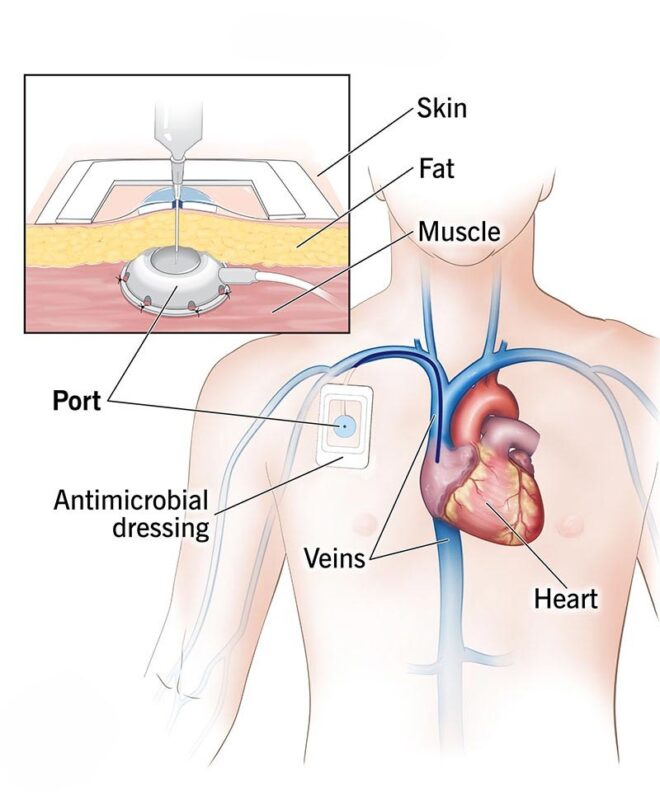
Conditions That May Require a Chemo Port
- Chemotherapy
- Immunotherapy
- Targeted cancer therapy
- Long-term intravenous medications
- Recurrent blood transfusions
- Frequent blood sampling
Benefits
- Completely concealed beneath the skin
- Comfortable for long-term use
- Reduces repeated needle sticks
- Lower infection risk compared to external catheters
- Allows greater freedom in daily activities
- Long-lasting vascular access
Dialysis Catheter
What is a Dialysis Catheter?
A Dialysis Catheter is a specialized central venous catheter used to provide immediate vascular access for hemodialysis in patients with kidney failure. It may be placed temporarily or for longer durations depending on the patient’s condition.
Using ultrasound and fluoroscopic guidance ensures accurate placement and reduces the risk of complications.
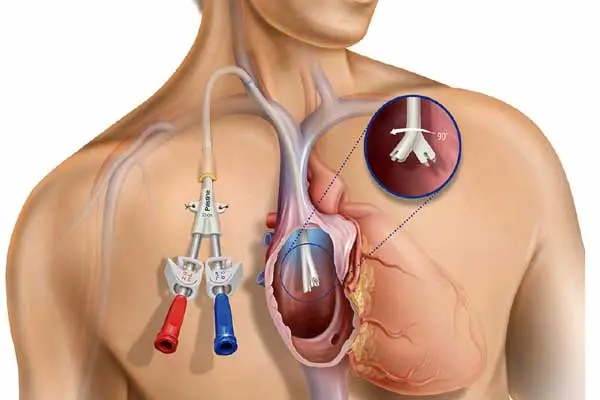
Conditions That May Require a Dialysis Catheter
- Acute kidney injury
- Chronic kidney disease
- End-stage renal disease
- Emergency dialysis
- Temporary dialysis access
- Patients awaiting AV fistula maturation
Benefits
- Immediate dialysis access
- Minimally invasive placement
- Image-guided precision
- Rapid symptom relief
- Safe and effective procedure
- Reduced procedural complications
- Can be placed under local anesthesia
How Are These Procedures Performed?
All vascular access procedures are performed in a dedicated Interventional Radiology suite using ultrasound and fluoroscopic guidance.
Procedure Overview
- Local anesthesia is administered.
- Ultrasound is used to identify the safest vein.
- A small skin puncture or incision is made.
- The catheter or port is positioned accurately under real-time imaging guidance.
- The device is secured, and placement is confirmed before use.
Most procedures take 30 to 60 minutes, and many patients can return home the same day or after a short observation period.
Why Choose Image-Guided Vascular Access?
Image-guided vascular access procedures provide greater accuracy and safety compared to traditional landmark-based techniques. Our experienced Interventional Radiology team ensures optimal catheter positioning with minimal discomfort and a lower risk of complications.
Our Advantages
- Experienced Interventional Radiologist
- Ultrasound and fluoroscopy-guided placement
- High procedural success rates
- Minimally invasive techniques
- Reduced risk of infection and complications
- Faster recovery
- Personalized treatment planning
- Comfortable long-term vascular access
- Comprehensive follow-up care
FREQUENTLY ASKED QUESTIONS
A PICC Line is inserted through a vein in the arm and remains partially outside the body, making it ideal for medium-term treatments. A Chemo Port is implanted completely beneath the skin and is generally preferred for long-term therapies such as chemotherapy.
The procedure is performed under local anesthesia, so most patients experience only minimal discomfort during insertion.
With proper care, a PICC Line can remain in place for several weeks to months, depending on the patient's treatment needs.
A Chemo Port can remain functional for several months or even years if maintained properly and is removed once treatment is complete.
Most patients can resume normal activities within a day or two. Your doctor will provide specific instructions regarding lifting heavy objects, bathing, and catheter care.
Yes. Ultrasound and fluoroscopic guidance allow precise placement, reduce the number of needle attempts, and significantly lower the risk of complications.