

Fistuloplasty, Angioplasty, Biopsy & Nephrostomy
Advanced Image-Guided Procedures for Vascular Access, Kidney Care & Accurate Diagnosis
Interventional Radiology offers a wide range of minimally invasive, image-guided procedures to diagnose and treat vascular and kidney-related conditions with precision and safety. Fistuloplasty, Angioplasty, Image-Guided Biopsy, and Percutaneous Nephrostomy are advanced procedures performed using ultrasound, fluoroscopy, and CT guidance to restore blood flow, obtain accurate tissue diagnosis, and relieve urinary obstruction.
These treatments are designed to minimize pain, avoid major surgery, shorten hospital stays, and help patients recover faster while achieving excellent clinical outcomes.
Fistuloplasty
What is Fistuloplasty?
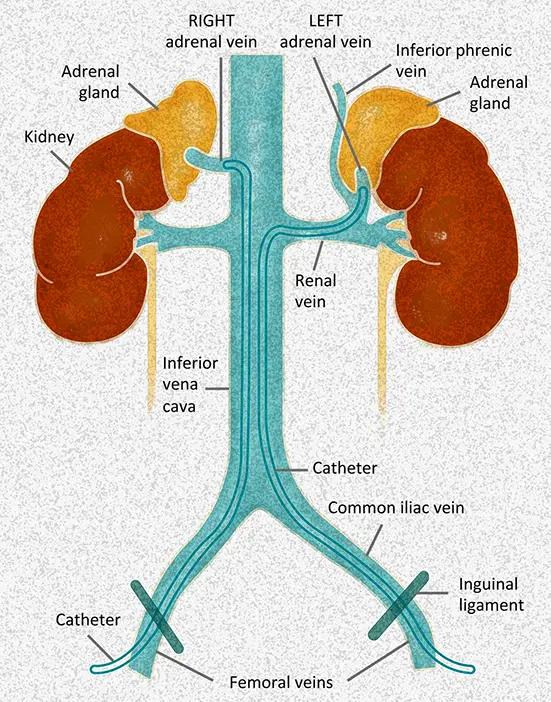
Fistuloplasty is a minimally invasive procedure performed to treat narrowing (stenosis) in an arteriovenous (AV) fistula or graft used for hemodialysis. Over time, dialysis access can become narrowed, reducing blood flow and affecting the efficiency of dialysis.
During the procedure, a small balloon catheter is inserted into the narrowed segment and inflated to widen the blood vessel and restore adequate blood flow.
Conditions Treated
- AV fistula stenosis
- AV graft narrowing
- Poor dialysis flow
- Difficult dialysis access
- Recurrent fistula blockage
- Venous stenosis related to dialysis access
Benefits of Fistuloplasty
- Restores dialysis access function
- Improves blood flow
- Minimally invasive treatment
- Helps prolong fistula lifespan
- Short hospital stay
- Faster recovery
Angioplasty
What is Angioplasty?
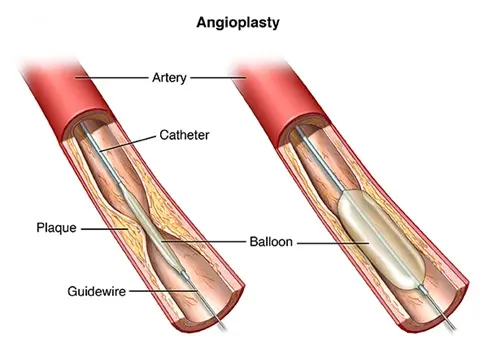
Angioplasty is a minimally invasive procedure used to open narrowed or blocked arteries and veins. A thin catheter with a small balloon at its tip is guided to the affected blood vessel, where the balloon is inflated to improve blood flow. In some cases, a stent may also be placed to keep the vessel open.
Angioplasty helps restore circulation, relieve symptoms, and reduce the risk of complications caused by poor blood flow.
Conditions Treated
- Peripheral Artery Disease (PAD)
- Renal artery stenosis
- Iliac artery disease
- Carotid artery narrowing
- Venous stenosis
- Dialysis access stenosis
- Blocked blood vessels affecting organs or limbs
Benefits
- Restores healthy blood circulation
- Minimally invasive alternative to surgery
- Immediate symptom relief
- Improved organ and limb function
- Reduced hospital stay
- Faster recovery
- Long-lasting results in many patients
Image-Guided Biopsy
What is an Image-Guided Biopsy?
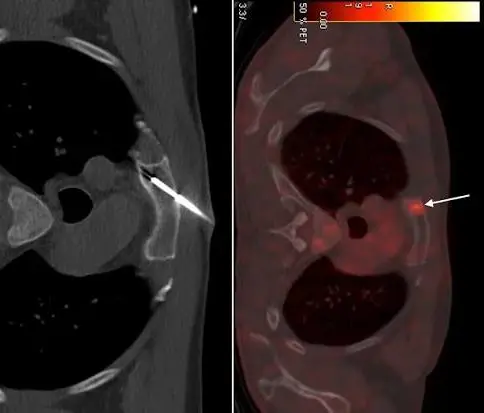
An image-guided biopsy is a minimally invasive procedure used to obtain a small tissue sample from an abnormal area in the body for laboratory analysis. Using ultrasound or CT guidance, the Interventional Radiologist precisely targets the lesion while minimizing injury to surrounding healthy tissues.
The biopsy helps establish an accurate diagnosis and guides appropriate treatment planning.
Conditions That May Require a Biopsy
- Liver lesions
- Kidney masses
- Lung nodules
- Lymph node enlargement
- Soft tissue tumors
- Suspected cancers
- Persistent infections
Benefits
- Accurate diagnosis
- Minimally invasive procedure
- No major surgery
- Quick recovery
- Minimal pain
- Image-guided precision
- Same-day discharge in most cases
Percutaneous Nephrostomy
What is a Nephrostomy?
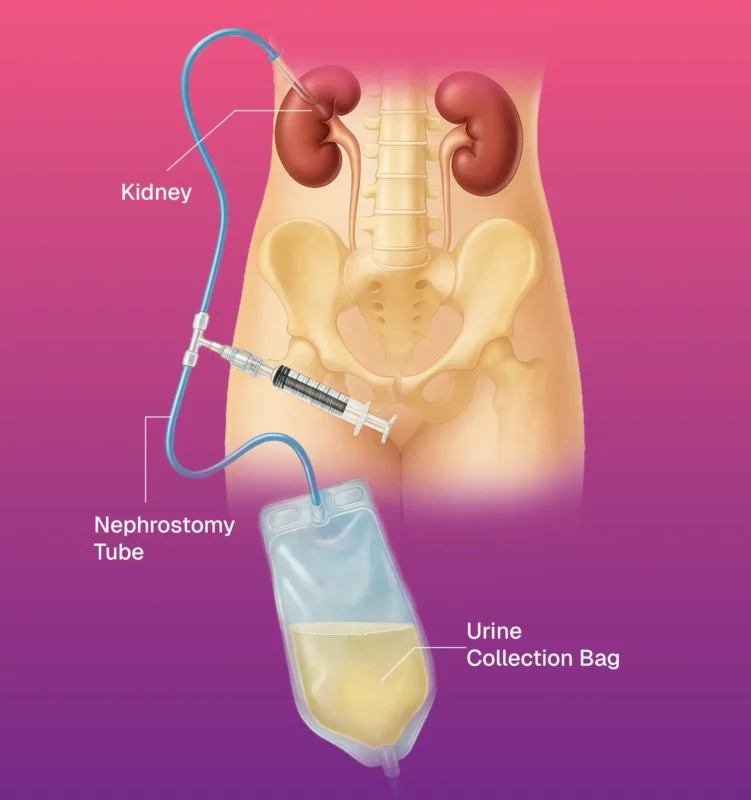
Percutaneous Nephrostomy is a minimally invasive procedure used to drain urine directly from the kidney when the normal flow of urine is blocked. Under ultrasound and fluoroscopic guidance, a thin drainage tube is inserted through the skin into the kidney to relieve obstruction, protect kidney function, and reduce the risk of infection.
Conditions Treated
- Kidney obstruction
- Ureteric obstruction
- Kidney stones causing blockage
- Tumor-related urinary obstruction
- Hydronephrosis
- Urinary tract injuries
- Kidney infections associated with obstruction
Benefits
- Relieves urinary obstruction
- Protects kidney function
- Treats kidney infections
- Rapid symptom relief
- Minimally invasive procedure
- Avoids emergency surgery in many cases
- Faster recovery
How Are These Procedures Performed?
All procedures are performed in a dedicated Interventional Radiology suite using advanced ultrasound, fluoroscopy, and CT imaging guidance.
Procedure Overview
- Local anesthesia is administered.
- A small skin puncture is made.
- Real-time imaging is used to accurately guide catheters, balloons, biopsy needles, or drainage tubes.
- Depending on the condition:
- Balloon angioplasty restores blood flow in narrowed vessels.
- Fistuloplasty improves dialysis access.
- A biopsy needle collects tissue samples for laboratory analysis.
- A nephrostomy catheter drains urine from the kidney.
- Patients are monitored for a short period before discharge.
Most procedures take 30 to 90 minutes, and many patients can return home the same day or after a short hospital stay.
Why Choose Our Interventional Radiology Services?
Our experienced Interventional Radiology team provides advanced minimally invasive procedures using the latest imaging technology to deliver safe, accurate, and effective care.
Our Advantages
- Experienced Interventional Radiologist
- Advanced ultrasound, CT, and fluoroscopy guidance
- High procedural success rates
- Minimally invasive techniques
- Personalized treatment planning
- Faster recovery
- Less pain and discomfort
- Reduced risk of complications
- Short hospital stay
- Comprehensive follow-up care
FREQUENTLY ASKED QUESTIONS
Fistuloplasty is specifically performed to restore blood flow in dialysis fistulas or grafts, while angioplasty is used to treat narrowed or blocked arteries and veins throughout the body.
The procedure is performed under local anesthesia, and most patients experience only mild discomfort during the biopsy.
The duration depends on the underlying cause of the obstruction. Your doctor will determine when the tube can be safely removed or replaced.
Yes. All four procedures are minimally invasive and are performed through small skin punctures using image guidance.
Most patients recover quickly and can resume normal daily activities within a few days, depending on the procedure and their overall health.
Yes. When performed by experienced Interventional Radiologists, these procedures have high success rates and a low risk of complications.