

Stroke Management, Aneurysm Coiling & AVM Embolization
Advanced Neuro-Interventional Procedures for Stroke & Brain Vascular Disorders
Neuro-Interventional Radiology offers highly specialized, minimally invasive treatments for life-threatening conditions affecting the brain and its blood vessels. Stroke Management, Aneurysm Coiling, and Arteriovenous Malformation (AVM) Embolization are advanced image-guided procedures that help restore blood flow, prevent bleeding, and reduce the risk of permanent brain damage.
Performed using state-of-the-art angiography systems, these procedures provide precise treatment through a tiny catheter inserted into a blood vessel, avoiding the need for open brain surgery in many cases.
Stroke Management
What is Endovascular Stroke Management?
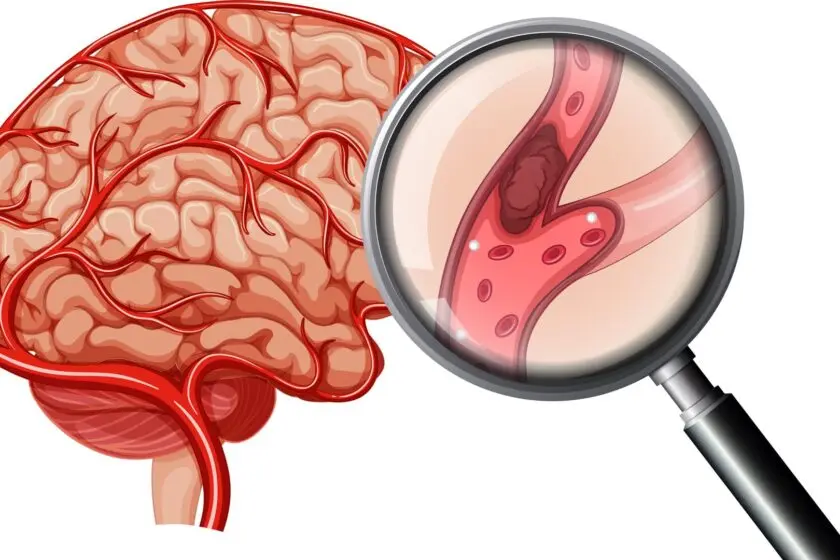
Endovascular Stroke Management is an emergency, minimally invasive treatment used to restore blood flow in patients with an acute ischemic stroke caused by a blocked artery in the brain. Using advanced imaging guidance, a catheter is navigated to the blocked vessel, where the clot is removed or treated to quickly re-establish circulation.
Prompt treatment is critical, as early restoration of blood flow significantly improves the chances of recovery and reduces the risk of permanent disability.
Stroke Warning Signs
- Sudden weakness or numbness on one side of the body
- Difficulty speaking or understanding speech
- Sudden vision loss or blurred vision
- Facial drooping
- Loss of balance or coordination
- Severe sudden headache
Benefits of Endovascular Stroke Treatment
- Rapid restoration of blood flow
- Minimally invasive procedure
- Reduces brain damage
- Improves recovery outcomes
- Lowers the risk of long-term disability
- Shorter hospital stay when treated early
Aneurysm Coiling
What is Aneurysm Coiling?
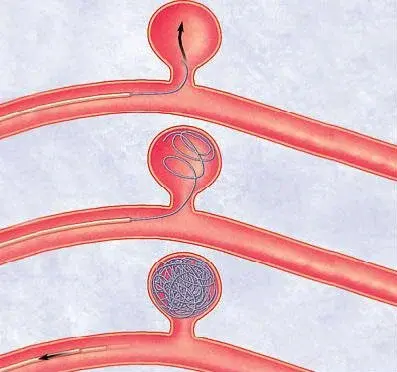
A brain aneurysm is a weakened, bulging area in the wall of a brain artery. If it ruptures, it can cause a life-threatening brain hemorrhage. Aneurysm Coiling is a minimally invasive procedure that seals the aneurysm from within using tiny platinum coils delivered through a catheter.
The coils promote clot formation inside the aneurysm, preventing blood from entering it and significantly reducing the risk of rupture or re-bleeding.
Conditions Treated
- Unruptured brain aneurysms
- Ruptured cerebral aneurysms
- Intracranial aneurysms
- Recurrent aneurysms
- Wide-neck aneurysms (with advanced techniques)
Benefits of Aneurysm Coiling
- Prevents aneurysm rupture
- Minimally invasive alternative to open brain surgery
- No large surgical incision
- Reduced recovery time
- Lower risk of complications
AVM Embolization
What is AVM Embolization?
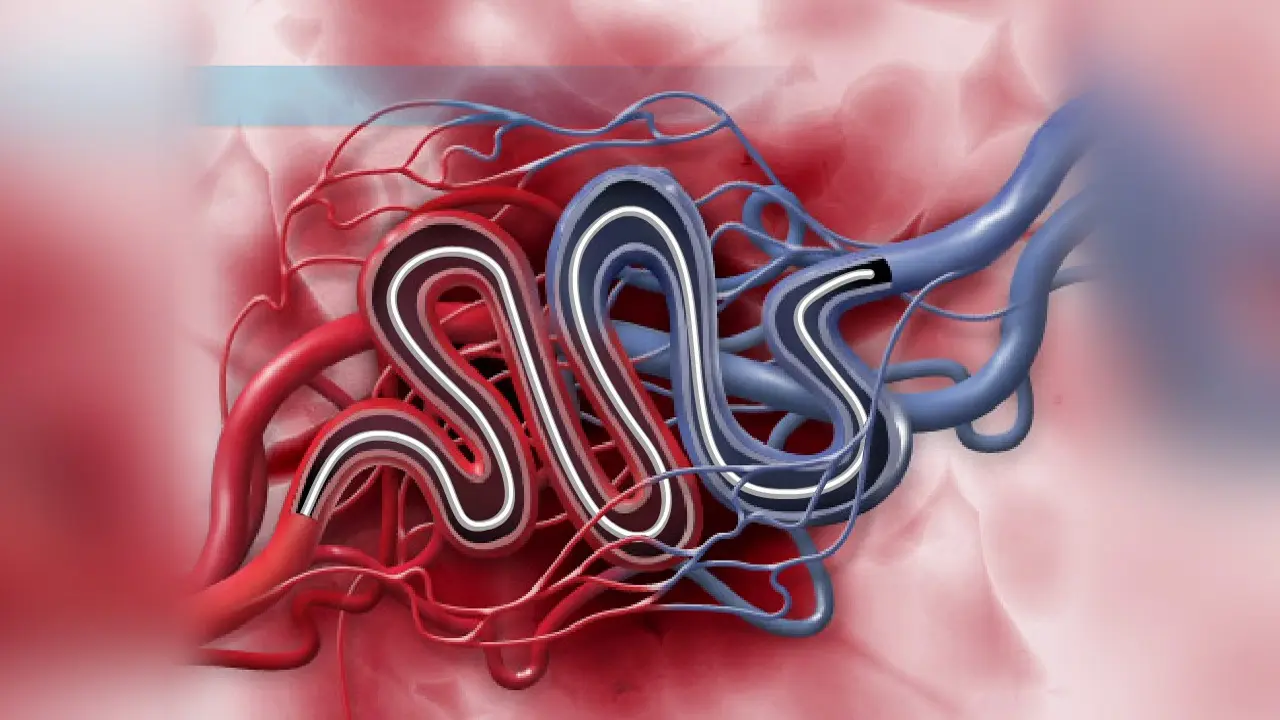
An Arteriovenous Malformation (AVM) is an abnormal connection between arteries and veins in the brain that can increase the risk of bleeding, seizures, headaches, and neurological complications.
AVM Embolization is a minimally invasive procedure in which a catheter is used to deliver special embolic materials that block the abnormal blood vessels, reducing blood flow to the AVM and lowering the risk of hemorrhage.
Embolization may be used as a standalone treatment or before surgery or radiosurgery to improve treatment outcomes.
Conditions Treated
- Brain arteriovenous malformations (AVMs)
- Cerebral vascular malformations
- AVM-related bleeding
- AVM-associated seizures
- High-risk vascular lesions
Benefits of AVM Embolization
- Reduces the risk of brain hemorrhage
- Minimally invasive treatment
- Decreases blood flow to abnormal vessels
- Can improve the safety of surgery or radiosurgery
- Preserves healthy brain tissue
How Are These Procedures Performed?
All neuro-interventional procedures are performed in a dedicated neuro-angiography suite using advanced imaging guidance.
Procedure Overview
- Local anesthesia with sedation or general anesthesia is administered, depending on the condition.
- A small puncture is made, usually in the wrist or groin.
- A thin catheter is carefully guided through the blood vessels to the brain.
- Depending on the diagnosis:
- Blood clots are removed to restore circulation.
- Platinum coils are placed to seal aneurysms.
- Embolic agents are delivered to block abnormal AVM vessels.
- Blood flow is confirmed before completing the procedure.
Patients are closely monitored after treatment, and recovery depends on the specific condition and procedure performed.
Why Choose Our Neuro-Interventional Services?
Our Neuro-Interventional Radiology team combines expertise with advanced imaging technology to deliver safe, precise, and effective treatment for complex brain vascular disorders.
Our Advantages
- Experienced Neuro-Interventional Radiologist
- Advanced neuro-angiography technology
- 24/7 emergency stroke treatment capability
- Minimally invasive procedures
- High procedural success rates
- Personalized treatment planning
- Faster recovery
- Reduced risk of complications
- Comprehensive neurological follow-up care
- Multidisciplinary team approach
FREQUENTLY ASKED QUESTIONS
For eligible patients with a blocked major brain artery, endovascular thrombectomy performed as early as possible can significantly improve outcomes when combined with appropriate medical care.
For many patients, aneurysm coiling is a less invasive alternative to surgical clipping, offering shorter recovery and reduced surgical trauma. The most suitable treatment depends on the aneurysm's size, location, and overall patient health.
Yes. Many AVMs can be treated with embolization alone or in combination with surgery or radiosurgery, depending on their size and complexity.
Most neuro-interventional procedures take between 1 and 3 hours, although complex cases may require more time.
Recovery varies depending on the condition treated and the patient's neurological status. Many patients recover faster compared with traditional open surgery.
No. Endovascular thrombectomy is recommended for selected patients with specific types of acute ischemic stroke. Early evaluation with brain imaging is essential to determine eligibility.