

Biopsy, Vertebroplasty & Pain Management
Advanced Image-Guided Procedures for Accurate Diagnosis, Spine Stabilization & Chronic Pain Relief
Interventional Radiology offers a range of minimally invasive, image-guided procedures designed to diagnose diseases, treat spinal fractures, and relieve chronic pain. Image-Guided Biopsy, Vertebroplasty, and Interventional Pain Management provide precise, effective treatment while minimizing discomfort, avoiding major surgery, and promoting faster recovery.
Using advanced imaging technologies such as ultrasound, CT scan, and fluoroscopy, our Interventional Radiologists perform these procedures with exceptional accuracy, helping patients return to their daily lives as quickly as possible.
Image-Guided Biopsy
What is an Image-Guided Biopsy?
An Image-Guided Biopsy is a minimally invasive procedure used to obtain a small tissue sample from an abnormal area in the body for laboratory examination. Using real-time imaging guidance, the Interventional Radiologist accurately targets the lesion while protecting nearby healthy tissues.
This procedure plays a vital role in diagnosing infections, inflammatory diseases, and both benign and malignant tumors, allowing doctors to develop the most appropriate treatment plan.
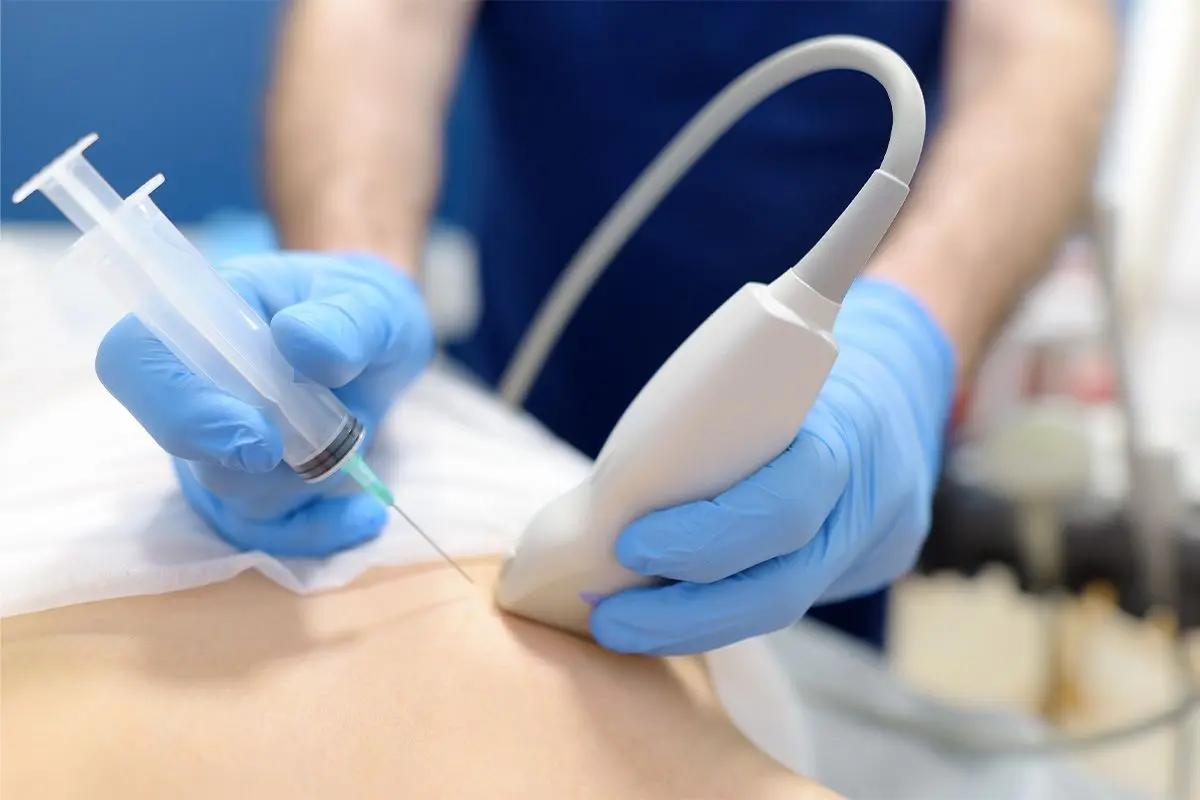
Conditions That May Require a Biopsy
- Liver lesions
- Lung nodules
- Kidney masses
- Bone lesions
- Soft tissue tumors
- Suspected cancers
- Persistent infections
Benefits of Image-Guided Biopsy
- Highly accurate diagnosis
- Minimally invasive procedure
- No major surgery
- Small skin puncture
- Minimal pain
- Faster recovery
- Same-day discharge in many cases
Vertebroplasty
What is Vertebroplasty?
Vertebroplasty is a minimally invasive procedure used to stabilize compression fractures of the spine caused by osteoporosis, trauma, or certain tumors. During the procedure, medical bone cement is injected into the fractured vertebra under imaging guidance, strengthening the bone and relieving pain.
Many patients experience significant pain relief within a short period after the procedure and are able to return to normal activities much sooner than with prolonged conservative treatment.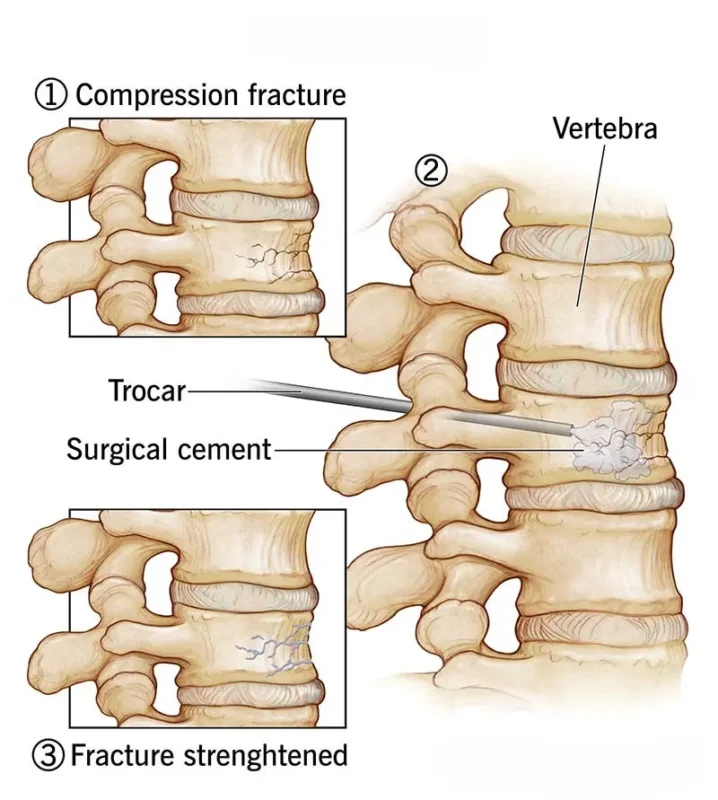
Conditions Treated
- Osteoporotic vertebral compression fractures
- Painful spinal fractures
- Vertebral fractures due to trauma
- Spine weakened by metastatic tumors
- Multiple myeloma involving the spine
- Persistent back pain caused by vertebral collapse
Benefits of Vertebroplasty
- Rapid pain relief
- Stabilizes fractured vertebrae
- Minimally invasive procedure
- Improves mobility
- Reduces dependence on pain medications
- Faster recovery
Interventional Pain Management
What is Image-Guided Pain Management?
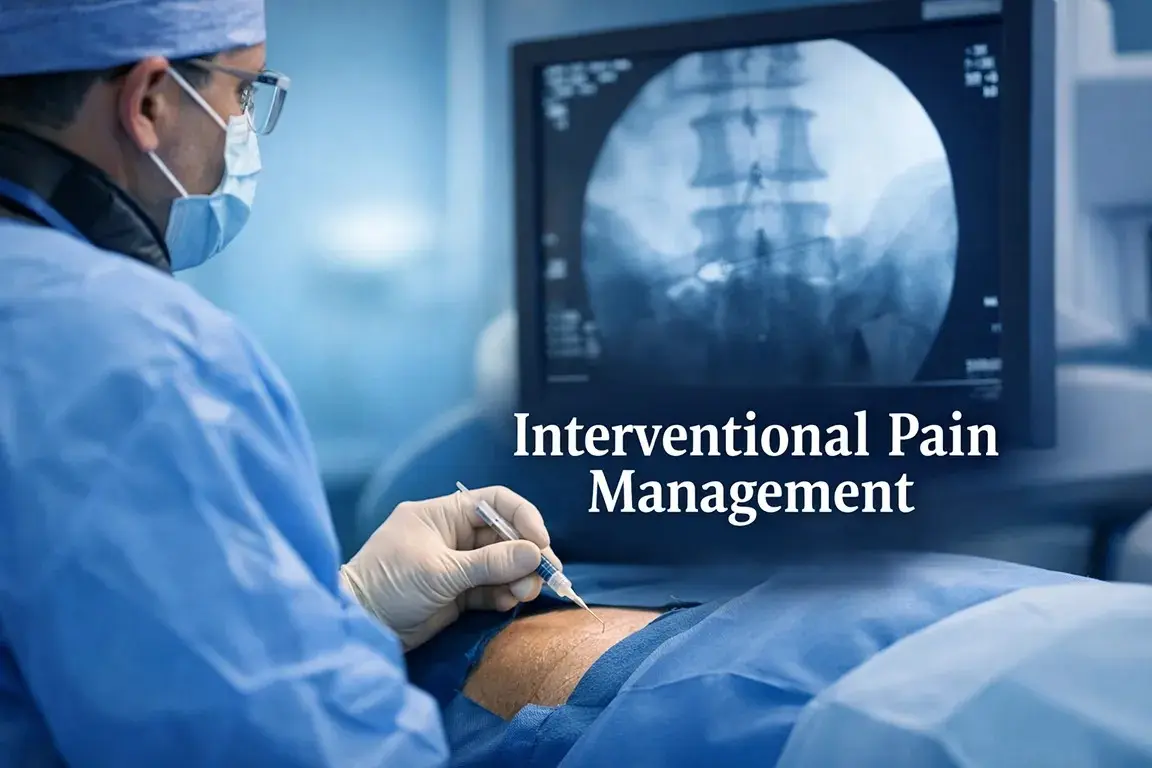
Interventional Pain Management includes a variety of minimally invasive, image-guided procedures that help diagnose and treat chronic pain affecting the spine, joints, nerves, and musculoskeletal system.
Using ultrasound or fluoroscopic guidance, medications are delivered precisely to the source of pain, reducing inflammation and improving function while minimizing side effects.
Conditions Treated
- Chronic back pain
- Neck pain
- Facet joint pain
- Sacroiliac joint pain
- Joint pain
- Cancer-related pain
- Musculoskeletal pain
Benefits of Image-Guided Pain Management
- Targeted pain relief
- Minimally invasive treatment
- Improved mobility
- Reduced inflammation
- Lower dependence on oral pain medications
- Quick outpatient procedures
- Faster return to daily activities
How Are These Procedures Performed?
All procedures are performed in a specialized Interventional Radiology suite using advanced ultrasound, CT, or fluoroscopic guidance.
Procedure Overview
- Local anesthesia is administered.
- Real-time imaging is used to accurately identify the treatment area.
- Depending on the condition:
- A biopsy needle is used to obtain a tissue sample.
- Bone cement is injected into the fractured vertebra during vertebroplasty.
- A fine needle is used to deliver medications directly to the source of pain.
- Patients are observed briefly before discharge.
Most procedures are completed within 30 to 90 minutes, and many patients return home the same day.
Why Choose Our Interventional Radiology Services?
Our experienced Interventional Radiology team combines expertise with advanced imaging technology to provide accurate diagnosis and effective minimally invasive treatment for spinal conditions, chronic pain, and complex diseases.
Our Advantages
- Experienced Interventional Radiologist
- Advanced CT, ultrasound, and fluoroscopy guidance
- High procedural accuracy
- Minimally invasive techniques
- Personalized treatment planning
- Faster recovery
- Less pain and minimal scarring
- Reduced risk of complications
- Day-care procedures for most patients
- Comprehensive follow-up care
FREQUENTLY ASKED QUESTIONS
The procedure is performed under local anesthesia, and most patients experience only mild discomfort during the biopsy.
Patients with painful vertebral compression fractures caused by osteoporosis, trauma, or certain tumors who continue to have significant pain despite conservative treatment may benefit from vertebroplasty.
Many patients notice significant pain relief within 24 to 48 hours, although recovery varies depending on the underlying condition.
Image guidance allows medications to be delivered precisely to the source of pain, improving effectiveness while reducing the risk of damage to surrounding tissues.
Most biopsies, vertebroplasty, and pain management procedures are performed under local anesthesia with or without mild sedation. General anesthesia is required only in selected cases.
Most patients resume normal activities within a few days, depending on the procedure performed and their overall health.