

Stenting & Embolization of Bleeds/Aneurysms
Advanced Minimally Invasive Vascular Treatments for Blocked Blood Vessels, Internal Bleeding & Aneurysms
Stenting and embolization are advanced image-guided procedures performed by Interventional Radiologists to treat narrowed or blocked blood vessels, control internal bleeding, and manage aneurysms without the need for major surgery. These minimally invasive treatments are performed through a tiny skin puncture using specialized catheters and real-time imaging guidance.
These procedures offer precise treatment, reduced pain, shorter hospital stays, and faster recovery while preserving healthy tissues and organs.
What is Stenting?
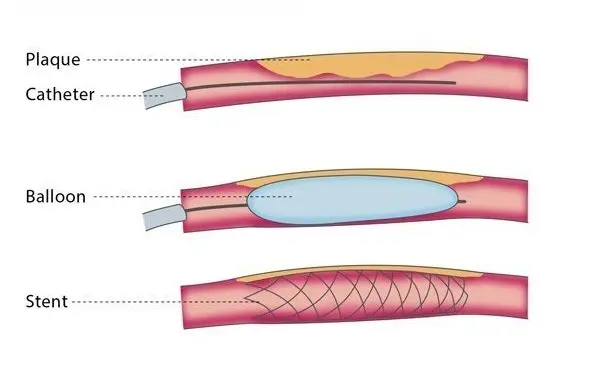
Stenting is a minimally invasive procedure used to open narrowed or blocked blood vessels. During the procedure, a small mesh tube called a stent is placed inside the affected artery or vein to restore normal blood flow and keep the vessel open.
Stenting helps improve circulation, relieve symptoms, and prevent complications caused by reduced blood supply to vital organs.
Conditions Treated with Stenting
- Peripheral Artery Disease (PAD)
- Carotid artery narrowing
- Renal artery stenosis
- Venous stenosis
- Dialysis fistula narrowing
- Central venous obstruction
- Superior vena cava syndrome
- Blocked blood vessels affecting organs
Benefits of Stenting
- Restores normal blood flow
- Minimally invasive procedure
- No large surgical incision
- Faster recovery
- Reduced hospital stay
- Less pain and discomfort
- Improved quality of life
- Lower risk compared to open surgery
What is Embolization?
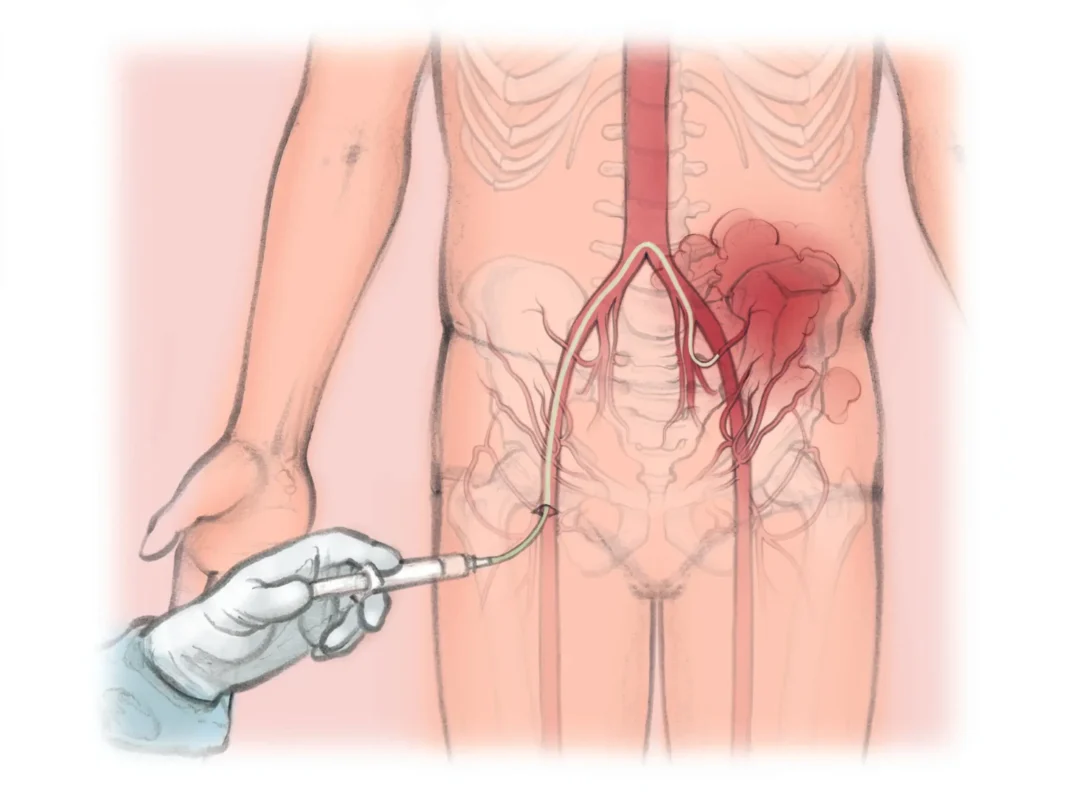
Embolization is a highly specialized procedure used to block abnormal or bleeding blood vessels. Through a small catheter inserted into an artery, the Interventional Radiologist delivers tiny coils, medical glue, particles, or other embolic materials directly to the affected vessel to stop bleeding or isolate an aneurysm.This targeted treatment controls bleeding while preserving the surrounding healthy tissues.
Embolization for Internal Bleeding
Internal bleeding can occur due to trauma, surgery, ulcers, tumors, or vascular abnormalities. Embolization allows doctors to quickly locate the source of bleeding and stop it without open surgery.
Conditions Treated
- Trauma-related internal bleeding
- Gastrointestinal bleeding
- Liver bleeding
- Splenic bleeding
- Kidney bleeding
- Pelvic bleeding
- Tumor-related bleeding
Benefits
- Rapid bleeding control
- Life-saving emergency treatment
- Avoids emergency surgery
- Reduced blood loss
- Organ preservation
- Faster recovery
- Shorter hospital stay
Embolization for Aneurysms
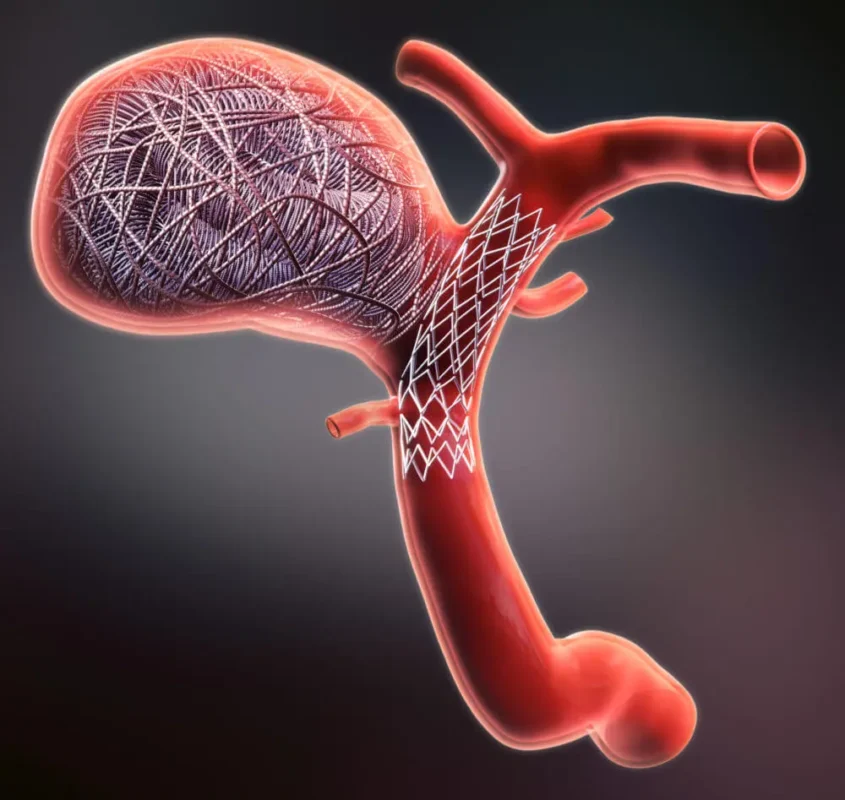
An aneurysm is an abnormal bulging or weakening of a blood vessel wall that may rupture and cause life-threatening bleeding. Embolization is an effective minimally invasive treatment that seals the aneurysm and prevents rupture while maintaining normal blood flow whenever possible.
Conditions Treated
- Visceral artery aneurysms
- Splenic artery aneurysm
- Renal artery aneurysm
- Hepatic artery aneurysm
- Traumatic aneurysms
- Post-surgical aneurysms
Benefits
- Prevents aneurysm rupture
- Minimally invasive alternative to surgery
- Lower complication rates
- Faster recovery
- Reduced hospital stay
- Precise treatment using image guidance
How Are These Procedures Performed?
Both stenting and embolization are performed in a specialized angiography suite under image guidance.
Procedure Overview
- Local anesthesia is administered.
- A tiny puncture is made, usually in the wrist or groin.
- A thin catheter is guided through the blood vessels using live X-ray imaging.
- Depending on the condition:
- A stent is placed to restore blood flow, or
- Embolic materials are delivered to stop bleeding or seal an aneurysm.
- The catheter is removed, and the puncture site is closed without the need for stitches in most cases.
Most patients are discharged within 24–48 hours, depending on the complexity of the procedure.
Why Choose Image-Guided Stenting & Embolization?
Our Interventional Radiology team provides advanced vascular care using state-of-the-art technology and minimally invasive techniques to achieve excellent clinical outcomes with maximum patient safety.
Our Advantages
- Expert Interventional Radiologist
- Advanced angiography suite
- High procedural precision
- Minimally invasive treatment
- Faster recovery
- Reduced pain
- Lower risk of complications
- Organ-preserving techniques
- Personalized treatment planning
- Comprehensive follow-up care
FREQUENTLY ASKED QUESTIONS
No. Stenting is a minimally invasive procedure performed through a small skin puncture without large surgical incisions.
Yes. Embolization is a well-established and highly effective procedure with a high success rate when performed by experienced Interventional Radiologists.
Most stenting and embolization procedures are completed within 1 to 3 hours, depending on the complexity of the condition.
Most procedures are performed under local anesthesia with mild sedation. General anesthesia is required only in selected cases.
Many patients can resume light daily activities within a few days, although recovery time may vary depending on the treated condition.
Minimally invasive procedures generally involve less pain, smaller incisions, lower risk of complications, shorter hospital stays, and quicker recovery compared to traditional surgery.