


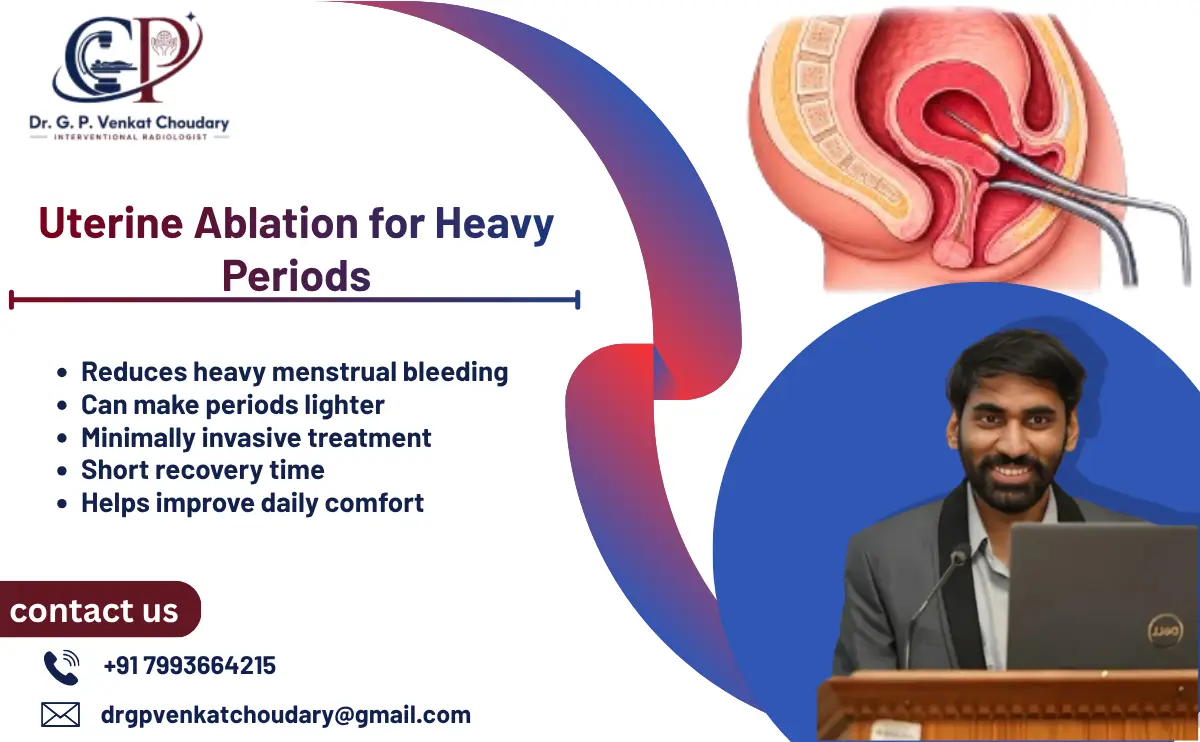
Heavy menstrual bleeding can affect much more than your period. It can interfere with work, sleep, exercise, travel, relationships, and everyday confidence. If you regularly experience very heavy or prolonged periods and medicines have not provided enough relief, Uterine Ablation for Heavy Periods may be an option worth discussing with a qualified specialist.
Endometrial ablation is a minimally invasive treatment designed to reduce heavy menstrual bleeding by treating the lining of the uterus. It is not suitable for everyone, and the right treatment depends on the cause of bleeding, your overall health, uterine anatomy, and whether you plan to become pregnant in the future.
This guide explains Uterine Ablation for Heavy Periods, including symptoms, causes, diagnosis, procedure, benefits, recovery, cost considerations, alternatives, and frequently asked questions.
Understanding Uterine Ablation for Heavy Periods
Uterine or endometrial ablation is a procedure that reduces heavy menstrual bleeding by destroying or thinning the endometrium—the inner lining of the uterus. Different technologies may use heat, radiofrequency energy, or other methods to treat the lining.
The aim is not necessarily to stop periods completely. Some women may stop having periods, while others continue to have significantly lighter periods. Clinical information indicates that a substantial proportion of appropriately selected patients experience major improvement in bleeding.
Symptoms of Heavy Periods
Heavy menstrual bleeding can look different from person to person. Common signs include:
- Needing to change a pad or tampon every one to two hours
- Periods lasting longer than seven days
- Passing large blood clots
- Bleeding through clothes or bedding
- Feeling exhausted during or after your period
- Shortness of breath related to anemia
- Avoiding work, exercise, travel, or social activities because of bleeding
- Needing to use more than one menstrual product at a time
Heavy bleeding that affects daily life should not simply be accepted as “normal.” Medical evaluation can help identify the underlying cause.
Causes of Heavy Menstrual Bleeding
Heavy periods can have several causes. These may include:
- Uterine fibroids
- Adenomyosis
- Endometriosis
- Hormonal or ovulatory problems
- Certain medications, including anticoagulants
- Bleeding disorders
- Problems involving the uterus or ovaries
- Less commonly, abnormalities of the uterine lining
In some cases, heavy bleeding can be associated with serious conditions, so persistent or unusual bleeding deserves proper assessment.
Diagnosis Before Treatment
Your doctor may review your menstrual history and perform a physical examination. Depending on your symptoms, investigations can include blood tests, ultrasound, and evaluation of the uterine lining.
Blood tests may help identify iron-deficiency anemia. Imaging can assess the uterus for fibroids or other structural abnormalities. In selected patients, an endometrial biopsy may be recommended to evaluate the uterine lining before ablation.
A proper diagnosis is important because ablation treats the uterine lining and may not be the best solution when another condition requires different treatment.
How Uterine Ablation for Heavy Periods Works
If medicines have not adequately controlled your bleeding, your doctor may discuss procedural treatment. Uterine Ablation for Heavy Periods is generally considered for carefully selected women who have completed childbearing and want to reduce excessive menstrual bleeding.
Uterine Ablation Procedure
The exact technique varies according to the device and the patient’s anatomy. Generally, the procedure involves:
- Pre-procedure evaluation: Your medical history, symptoms, medications, and previous treatments are reviewed.
- Uterine assessment: The doctor confirms that the uterus is appropriate for the planned treatment and checks for abnormalities.
- Cervical access: A thin instrument is introduced through the vagina and cervix into the uterus.
- Treatment of the lining: The selected ablation technology delivers energy or another treatment to destroy or thin the endometrium.
- Completion and observation: The device is removed, and you are monitored during recovery.
Some modern techniques can be completed relatively quickly. For example, one NHS patient guide reports a total procedure time of approximately 10–20 minutes for a specific radiofrequency system, although actual duration varies.
Ablation is generally considered a minor procedure compared with major surgery such as hysterectomy, but it still has potential risks. These can include infection, bleeding, uterine perforation and, depending on the technique, other complications. Your specialist should explain the risks specific to your situation.
Benefits of Uterine Ablation
For appropriately selected patients, potential benefits include:
- Reduced menstrual blood loss
- Lighter and shorter periods
- In some women, complete absence of periods
- No large abdominal incision
- Short recovery compared with major surgery
- Reduced disruption to work and everyday activities
- A non-hormonal treatment option
- Potential alternative to hysterectomy in selected cases
Studies and patient guidance suggest that around 9 in 10 appropriately selected patients can experience a meaningful reduction in bleeding, although individual results vary.
It is important to understand that ablation does not guarantee that periods will stop completely. The goal is primarily to control troublesome bleeding.
Uterine Ablation Cost
The Uterine Ablation Cost can vary considerably depending on the hospital, city, treatment technology, anesthesia, diagnostic tests, doctor’s fees, and whether additional procedures are required.
Rather than choosing a treatment based only on price, patients should consider the specialist’s experience, appropriate diagnostic evaluation, hospital facilities, technology used, and follow-up care.
For an accurate estimate, discuss the expected Uterine Ablation Cost during your consultation after your doctor has evaluated your condition. A personalized estimate is more useful than relying on a general online figure.
Uterine Ablation vs Other Treatments
Uterine ablation is only one option for heavy menstrual bleeding. Depending on the cause, alternatives may include:
| Treatment | Common purpose |
| Medicines | Reduce bleeding or manage symptoms |
| Hormonal IUS | Reduce menstrual bleeding and provide contraception |
| Tranexamic acid | Reduce blood loss during periods |
| Fibroid treatment | Treat fibroids responsible for bleeding |
| Uterine artery embolization | Treat selected fibroid-related problems |
| Endometrial ablation | Reduce bleeding by treating the uterine lining |
| Hysterectomy | Permanently removes the uterus |
The best treatment depends on the underlying diagnosis and your personal goals. For example, women with significant fibroids may require a different approach from women whose uterus is otherwise suitable for ablation.
Recovery, Safety and Who May Benefit
Recovery after Uterine Ablation for Heavy Periods is usually shorter than recovery from major uterine surgery, but every patient responds differently.
Recovery After the Procedure
Mild cramping, tiredness, spotting, or vaginal discharge may occur after treatment. Some patients return to normal activities within a few days, while others may need longer depending on their procedure and occupation.
Your doctor may recommend:
- Taking prescribed pain medication as directed
- Resting for the first few days
- Using sanitary pads rather than tampons while bleeding or discharge continues
- Avoiding sexual intercourse until your doctor advises that it is safe
- Gradually returning to exercise
- Attending follow-up appointments
Seek medical advice if you develop very heavy bleeding, persistent or severe abdominal pain, fever, foul-smelling discharge, or other concerning symptoms after the procedure.
Who Is a Good Candidate?
Ablation may be considered for women with troublesome heavy menstrual bleeding who:
- Have completed their family
- Do not wish to become pregnant
- Have been appropriately evaluated for the cause of bleeding
- Have symptoms that have not improved sufficiently with conservative treatment
- Have a uterus that is suitable for the selected ablation technique
Ablation is not a contraceptive. Pregnancy after ablation can be dangerous, so reliable contraception is still required if pregnancy is possible. Women who want future pregnancies generally should not undergo endometrial ablation.
About Dr. G.P. Venkat Choudary
Dr. G.P. Venkat Choudary is a Consultant Neuro & Vascular Interventional Radiologist associated with KIMS-SIKHARA Hospitals in Guntur. His qualifications include MBBS, MD in Radio-Diagnosis, and DrNB in Endovascular & Interventional Radiology. His listed areas of interest include uterine fibroid embolization, prostatic artery embolization, oncological interventions, neurovascular interventions, peripheral vascular interventions, image-guided biopsies and drainage procedures.
For women with heavy bleeding caused by uterine fibroids, specialist evaluation is particularly important because uterine fibroid embolization (UFE) and other minimally invasive options may be considered depending on the individual diagnosis. UFE is different from endometrial ablation and should not be treated as the same procedure.
Services Offered
Dr. Choudary’s listed interventional services and areas of interest include:
- Uterine fibroid embolization
- Prostatic artery embolization
- Neurovascular interventions and acute stroke management
- Liver and oncological interventions, including TACE, TARE and thermal ablation
- Peripheral vascular interventions
- Liver transplant-related interventions
- GI and bronchial artery embolization
- Image-guided biopsies and drainage
- Selected pain-management interventions
Because the most appropriate treatment depends on the cause of heavy bleeding, consultation and imaging assessment are important before deciding whether ablation, embolization, medication, or another treatment is appropriate.
Frequently Asked Questions
1. What is Uterine Ablation for Heavy Periods?
It is a procedure that treats the inner lining of the uterus to reduce excessive menstrual bleeding. It is commonly considered when heavy periods significantly affect quality of life and other appropriate treatments have not provided sufficient relief.
2. Will uterine ablation stop my periods completely?
Not necessarily. Some women stop menstruating, while others continue to have lighter periods. The outcome varies between patients and depends on factors such as age, uterine characteristics and the underlying cause of bleeding.
3. Can I become pregnant after uterine ablation?
Pregnancy can still occur, but it can be dangerous after ablation. The procedure is generally intended for women who do not plan future pregnancies, and contraception remains necessary.
4. How long does uterine ablation take?
The duration depends on the technique. Some modern systems perform the actual ablation in only a few minutes, while the complete procedure may take approximately 10–20 minutes in some settings.
5. Is uterine ablation better than hysterectomy?
They are different treatments. Ablation does not remove the uterus and generally involves a shorter recovery than hysterectomy. However, it is not appropriate for everyone. Your doctor should compare both options based on your symptoms, diagnosis, reproductive plans and overall health.
6. What is the Uterine Ablation Cost?
The Uterine Ablation Cost varies according to the hospital, technique, investigations, anesthesia and other treatment requirements. A specialist consultation is the best way to obtain an individualized estimate.
7. Can fibroids be treated with uterine ablation?
It depends on the size, location and number of fibroids. Ablation may be suitable in selected cases, but significant fibroid-related bleeding may require another treatment, such as fibroid removal or uterine artery embolization.
8. How quickly can I return to normal activities?
Many women resume light activities within a few days. Some may return to work within a few days, while others need longer. Your recovery depends on the procedure performed and your individual health.
9. Is uterine ablation suitable for every woman with heavy periods?
No. The cause of bleeding must first be investigated, and pregnancy plans, uterine anatomy and other medical factors must be considered. A specialist should determine whether ablation is appropriate.
10. Can I still have cervical screening after ablation?
Yes. Endometrial ablation does not remove the cervix, so recommended cervical screening should continue according to your healthcare provider’s advice.
Conclusion: Could Uterine Ablation Be Right for You?
Living with heavy periods every month can be exhausting, but you do not have to simply put up with symptoms that interfere with your life. Uterine Ablation for Heavy Periods can provide significant bleeding reduction for appropriately selected women and may offer a minimally invasive alternative to more extensive surgery.
However, the treatment is not suitable for everyone. The first step is understanding why you have heavy bleeding. A detailed evaluation can help determine whether uterine ablation, uterine fibroid embolization, medication, or another treatment is the most appropriate option.
If you are struggling with heavy menstrual bleeding in Guntur, consider discussing your symptoms and treatment options with Dr. G.P. Venkat Choudary, a Consultant Neuro & Vascular Interventional Radiologist at KIMS-SIKHARA Hospitals, Guntur. His areas of expertise include uterine fibroid embolization and a range of minimally invasive vascular and image-guided procedures.
Ready to explore your treatment options? Book an appointment with Dr. G.P. Venkat Choudary for a personalized evaluation and discuss whether a minimally invasive treatment could help you manage heavy menstrual bleeding.