


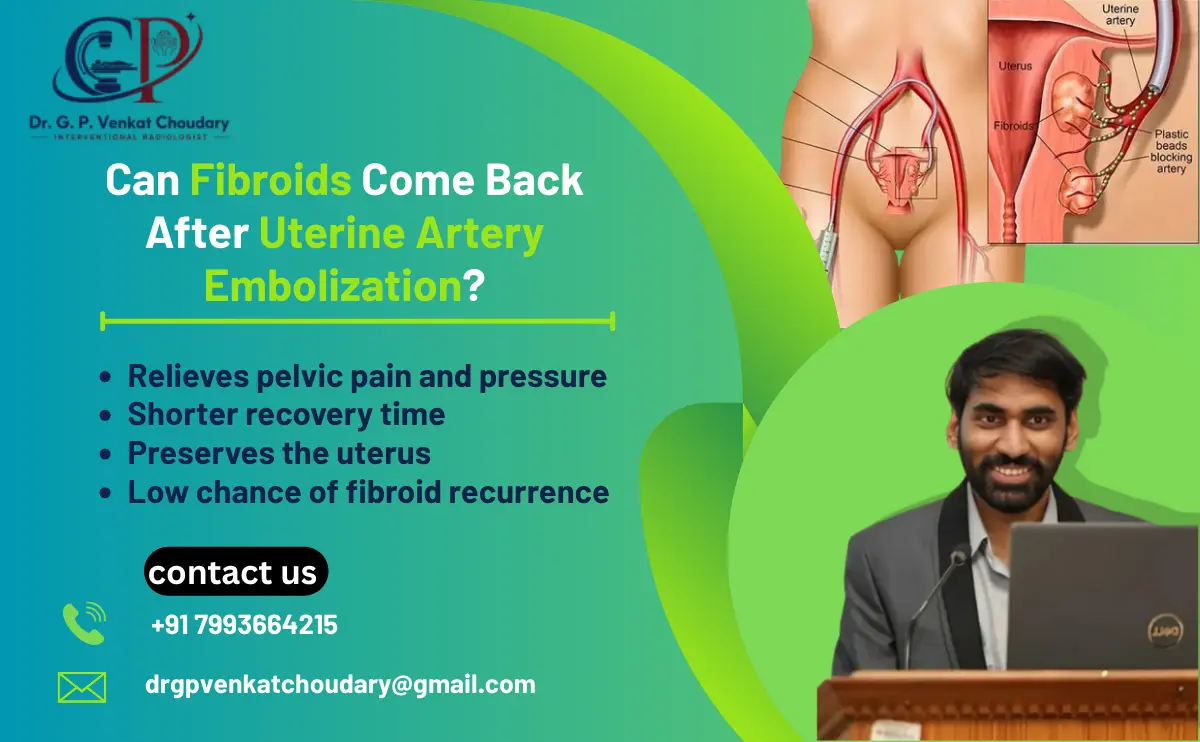
Uterine fibroids are one of the most common non-cancerous growths affecting women during their reproductive years. They can lead to heavy menstrual bleeding, pelvic pain, frequent urination, bloating, fertility concerns, and reduced quality of life. Fortunately, Uterine Artery Embolization (UAE) has emerged as a highly effective, minimally invasive treatment option that preserves the uterus while providing long-term symptom relief.
However, one of the most common questions patients ask is: Can Fibroids Come Back After UAE? The answer is not as straightforward as a simple yes or no. Understanding how Uterine Artery Embolization works, its long-term success rates, and the possibility of new fibroid growth can help women make informed decisions about their treatment.
This comprehensive guide explains everything you need to know about Can Fibroids Come Back After UAE, including symptoms, causes, diagnosis, treatment, recovery, benefits, and when to consult an experienced interventional radiologist.
What Does “Can Fibroids Come Back After UAE” Mean?
Many women wonder, Can Fibroids Come Back After UAE after undergoing treatment. In most cases, the fibroids that have been successfully treated with Uterine Artery Embolization do not grow back because their blood supply has been permanently blocked.
However, it is important to understand the difference between:
- Treated fibroids returning
- New fibroids developing later
The fibroids that shrink after UAE rarely regrow. However, if a woman develops new fibroids from untreated uterine tissue, symptoms may return years later. This is why regular follow-up with your doctor is important.
Overall, studies have shown that more than 85–90% of women experience significant symptom improvement after UAE.
Symptoms That May Indicate Fibroids After UAE
If you’re asking Can Fibroids Come Back After UAE, it helps to know which symptoms deserve medical attention.
Heavy Menstrual Bleeding
If periods become heavy again months or years after treatment, further evaluation may be needed.
Pelvic Pain or Pressure
Persistent pelvic discomfort may indicate remaining fibroids or newly developed ones.
Frequent Urination
Large fibroids can press on the bladder, causing urinary frequency.
Constipation
Fibroids pressing against the bowel may lead to constipation or bloating.
Enlarged Abdomen
Some women notice abdominal fullness or swelling due to enlarging fibroids.
Pain During Intercourse
Large fibroids can sometimes cause discomfort during sexual activity.
Not every symptom means fibroids have returned. Your doctor will recommend imaging to determine the exact cause.
What Causes Fibroids to Return or New Fibroids to Develop?
When discussing Can Fibroids Come Back After UAE, it is essential to understand why symptoms may recur.
New Fibroids May Develop
Women who are still producing estrogen may develop new fibroids over time.
Incomplete Embolization
Rarely, a small portion of fibroid tissue may continue receiving blood supply.
Very Large or Multiple Fibroids
Patients with numerous fibroids may have microscopic fibroids that were too small to detect during treatment.
Hormonal Factors
Estrogen and progesterone continue influencing uterine tissue until menopause.
Age
Younger women generally have a longer reproductive lifespan, increasing the possibility of developing new fibroids later.
Although these situations are possible, most women enjoy many years of symptom relief following Uterine Artery Embolization.
Diagnosis: How Doctors Check for Fibroids After UAE
If you’re concerned about Can Fibroids Come Back After UAE, your doctor will perform a detailed evaluation.
Medical History
The doctor reviews previous UAE treatment, symptoms, menstrual history, and overall health.
Physical Examination
A pelvic examination helps identify uterine enlargement or tenderness.
Ultrasound
Pelvic ultrasound is usually the first imaging test.
MRI Scan
MRI provides highly detailed information about:
- Fibroid size
- Blood supply
- Location
- Response to previous UAE
Blood Tests
If heavy bleeding is present, blood tests may evaluate anemia.
A complete diagnosis helps determine whether symptoms are caused by treated fibroids, newly formed fibroids, or another gynecological condition.
Uterine Artery Embolization: Treatment, Benefits, Recovery & Comparison
How Uterine Artery Embolization Works
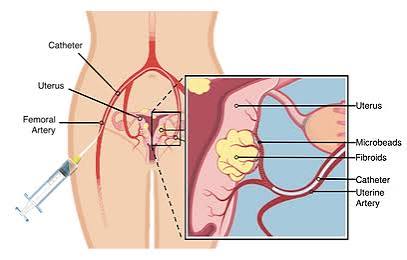
Uterine Artery Embolization is a minimally invasive image-guided procedure performed by an Interventional Radiologist.
During the procedure:
- A tiny catheter is inserted through the wrist or groin artery.
- The catheter reaches the uterine arteries.
- Special embolic particles block blood flow to fibroids.
- Fibroids gradually shrink over several months.
- The uterus continues receiving blood from normal collateral vessels.
No major surgical incision is required.
Benefits of Uterine Artery Embolization
Women choose UAE because it offers numerous advantages:
- No removal of the uterus
- Minimally invasive treatment
- Smaller incision
- Less blood loss
- Short hospital stay
- Faster recovery
- Reduced pelvic pain
- Significant reduction in menstrual bleeding
- High patient satisfaction
- Excellent long-term symptom control
These benefits make Can Fibroids Come Back After UAE an important discussion before choosing treatment.
Recovery After UAE
Recovery is generally quicker than traditional surgery.
Most women experience:
- Mild pelvic cramping
- Fatigue for a few days
- Low-grade fever
- Light vaginal discharge
Recovery timeline:
- Hospital stay: 24 hours
- Walking: Same day or next day
- Office work: 5–7 days
- Normal routine: 1–2 weeks
- Fibroid shrinkage: 3–6 months
- Maximum improvement: Up to 12 months
UAE vs Surgery
| Feature | Uterine Artery Embolization | Myomectomy | Hysterectomy |
| Major surgery | No | Yes | Yes |
| Uterus preserved | Yes | Yes | No |
| Hospital stay | Short | Longer | Longer |
| Recovery | 1–2 weeks | 4–6 weeks | 6–8 weeks |
| Blood loss | Minimal | Moderate | Higher |
| Scar | Tiny puncture | Surgical scar | Surgical scar |
For many women, UAE provides an excellent balance between effectiveness and recovery.
Can Fibroids Come Back After UAE? The Long-Term Outlook
This remains the biggest concern for many patients.
The answer to Can Fibroids Come Back After UAE depends on individual circumstances.
The treated fibroids generally do not regrow because they permanently lose their blood supply.
However:
- Small untreated fibroids may enlarge later.
- New fibroids can develop before menopause.
- A small percentage of women may require additional treatment years later.
Research shows that the majority of women continue enjoying long-term relief without needing surgery.
Maintaining regular follow-up appointments allows early detection of any future issues.
About Dr. G. P. Venkat Choudary
Dr. G. P. Venkat Choudary is a highly experienced Consultant Interventional Radiologist at KIMS-SIKHARA Hospitals, Guntur.
He completed:
- MBBS – Siddhartha Medical College, Vijayawada
- MD (Radiology) – Sri Venkateswara Institute of Medical Sciences (SVIMS), Tirupati
- Advanced Fellowship in Neuro & Vascular Interventional Radiology – Max Super Specialty Hospital, Saket, New Delhi
With extensive expertise in minimally invasive image-guided procedures, Dr. Venkat Choudary provides personalized treatment plans that help patients avoid unnecessary surgery whenever possible.
His patient-focused approach, advanced training, and commitment to evidence-based care have made him one of the trusted names in Interventional Radiology.
Services Offered by Dr. G. P. Venkat Choudary
Dr. Venkat Choudary offers advanced minimally invasive treatments, including:
- Uterine Artery Embolization for fibroids
- Peripheral Artery Disease treatment
- Varicose Vein Treatment
- Dialysis Access Interventions
- Liver Cancer Embolization (TACE)
- Thyroid Artery Embolization
- Prostate Artery Embolization (PAE)
- Image-Guided Biopsy
- Drainage Procedures
- Vascular Interventions
- Pain Management Procedures
Each treatment is performed using advanced imaging technology for improved precision, safety, and faster recovery.
Frequently Asked Questions (FAQs)
1. Can Fibroids Come Back After UAE?
The treated fibroids usually do not return. However, new fibroids may develop later, especially before menopause.
2. Is Uterine Artery Embolization permanent?
Yes. The treated fibroids permanently lose their blood supply and shrink over time.
3. How successful is UAE?
More than 85–90% of women experience significant improvement in symptoms after treatment.
4. Can I avoid hysterectomy with UAE?
Many women successfully avoid hysterectomy through Uterine Artery Embolization, depending on their individual condition.
5. How long does recovery take?
Most patients resume normal daily activities within one to two weeks.
6. Is UAE painful?
Some cramping is expected after the procedure, but it is usually well controlled with medications.
7. Can fibroids shrink completely?
Most fibroids shrink significantly over several months, although complete disappearance is not always necessary for symptom relief.
8. Is UAE safe?
Yes. When performed by an experienced Interventional Radiologist, UAE is considered a safe and effective procedure.
9. Who is a good candidate for UAE?
Women with symptomatic fibroids who wish to avoid major surgery may be suitable candidates after medical evaluation.
10. Where can I get Uterine Fibroid Treatment embolization in guntur?
Patients looking for Uterine Fibroid Treatment embolization in guntur can consult Dr. G. P. Venkat Choudary at KIMS-SIKHARA Hospitals for a comprehensive evaluation and personalized treatment plan.
Conclusion
If you’re wondering Can Fibroids Come Back After UAE, the good news is that Uterine Artery Embolization offers excellent long-term results for most women. While treated fibroids rarely regrow, new fibroids may occasionally develop due to ongoing hormonal changes. Regular follow-up, timely diagnosis, and expert care help ensure the best possible outcomes.
For women seeking a minimally invasive alternative to surgery, UAE remains one of the safest and most effective options for long-lasting fibroid relief.
Book Your Consultation with Dr. G. P. Venkat Choudary
If you are experiencing heavy menstrual bleeding, pelvic pain, or have been diagnosed with uterine fibroids, consult Dr. G. P. Venkat Choudary, Consultant Interventional Radiologist at KIMS-SIKHARA Hospitals, for expert evaluation and advanced Uterine Artery Embolization treatment.
Contact Details
Dr. G. P. Venkat Choudary
Consultant Interventional Radiologist
📞 Phone: +91 7993664215
📧 Email: drgpvenkatchoudary@gmail.com
Book your appointment today to explore safe, minimally invasive treatment options and receive personalized care from an experienced Interventional Radiologist.